6 Smart Tips for Surviving Jersey City, NJ Winters with Artificial Grass
Winter in Jersey City, NJ, brings unique challenges, but homeowners with artificial grass have a significant advantage over those with natural lawns. Modern synthetic turf is designed to withstand harsh weather, including snow, ice, and freezing temperatures, remaining green and vibrant year-round. By following a few simple tips, you can ensure your artificial grass stays pristine and functional, even through the coldest months.
1. Prepare Your Turf Before the First Freeze
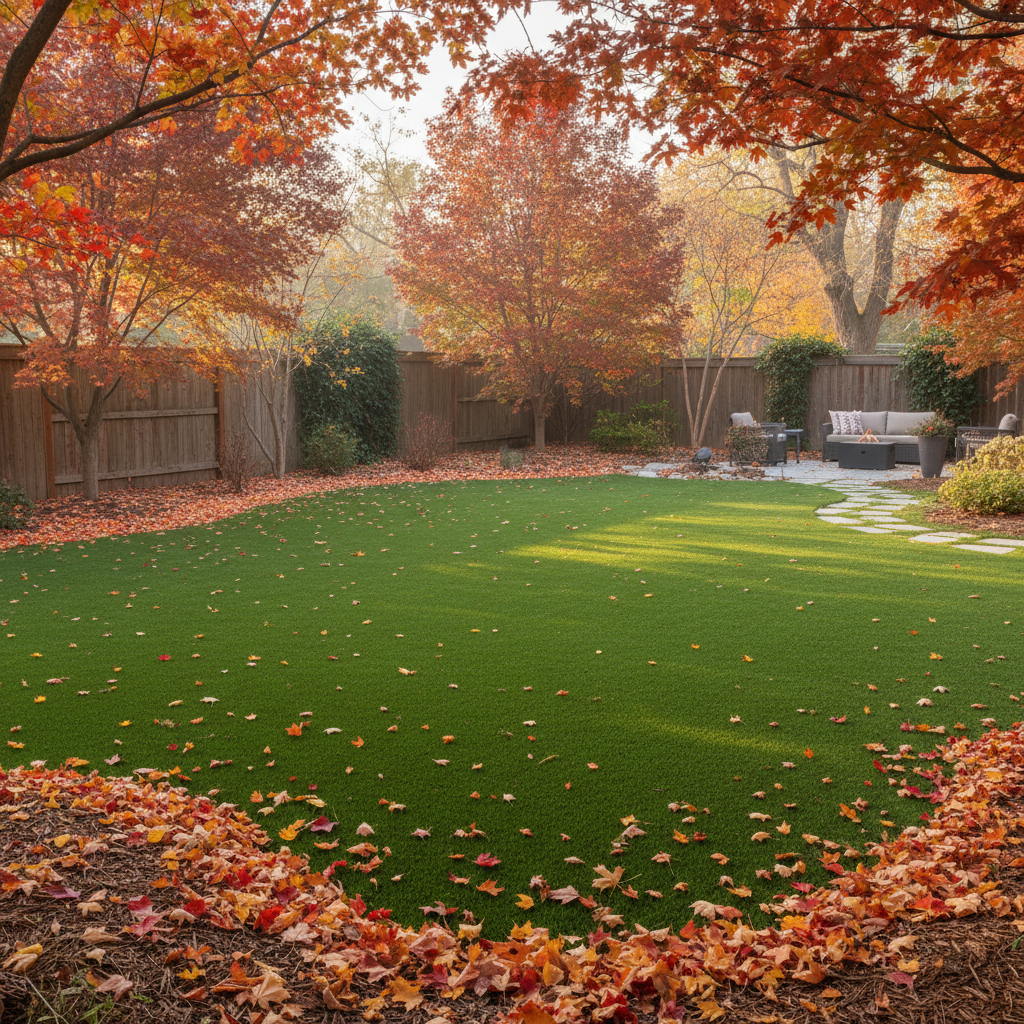
Before winter truly sets in, a little preparation goes a long way. Start by thoroughly cleaning your artificial grass to remove any leaves, twigs, or debris that accumulated during fall. This prevents moisture from getting trapped and potentially leading to mold or mildew issues when snow covers the turf.
Using a leaf blower on a low setting or a plastic rake is ideal for this task. Ensuring your turf's drainage system is clear of blockages is also crucial, as efficient drainage prevents waterlogging and ice formation.
2. Let Snow and Ice Melt Naturally
One of the best things you can do for your artificial grass in winter is to let nature take its course. High-quality artificial turf is built to handle snow and ice, and it will drain efficiently as the snow melts.
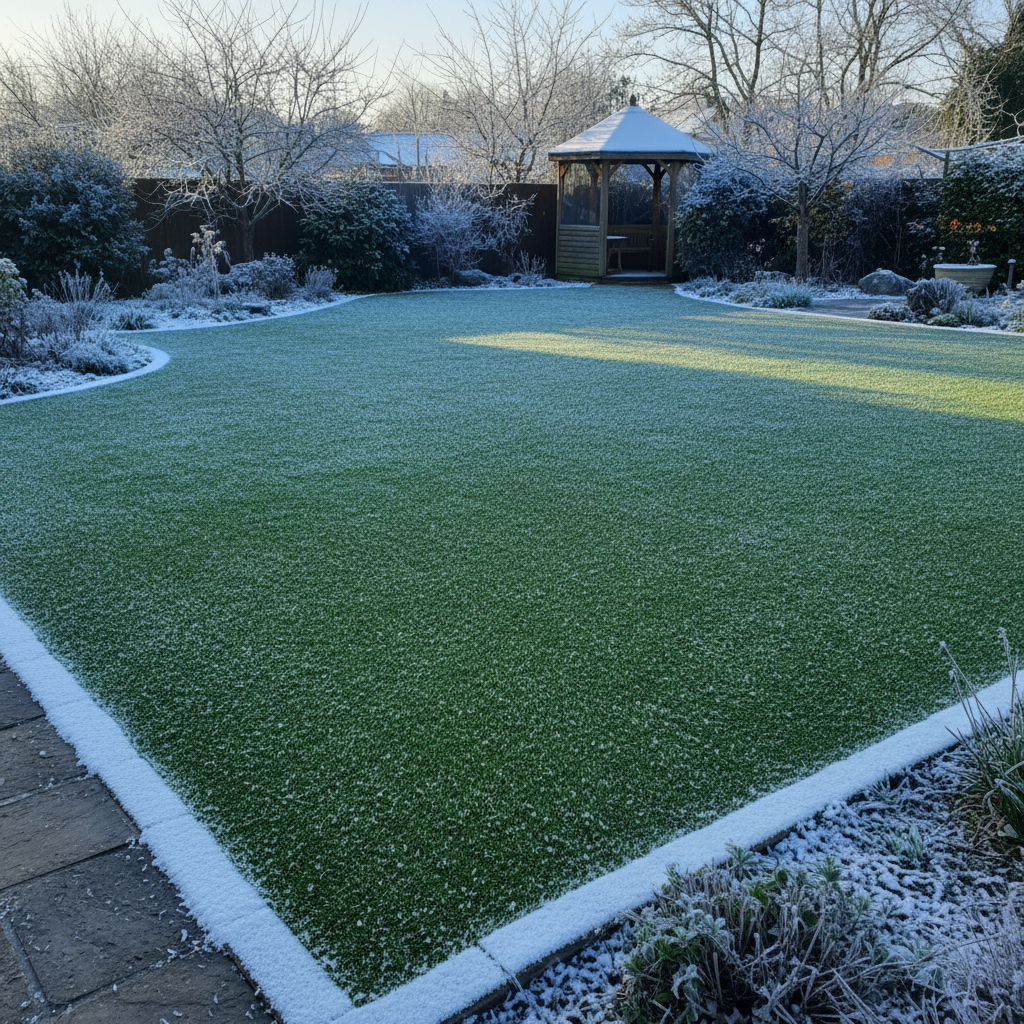
Avoid walking on frozen turf if possible, as the blades can become stiff and potentially flatten under pressure. If you notice frost, it's best to let it melt naturally or gently rinse it with a hose to aid the process before using the area.
3. Use the Right Tools for Snow Removal
While natural melting is preferred, sometimes heavy snowfall in areas like Jersey City requires intervention. If you must remove snow, always use plastic shovels or a soft-bristled broom.
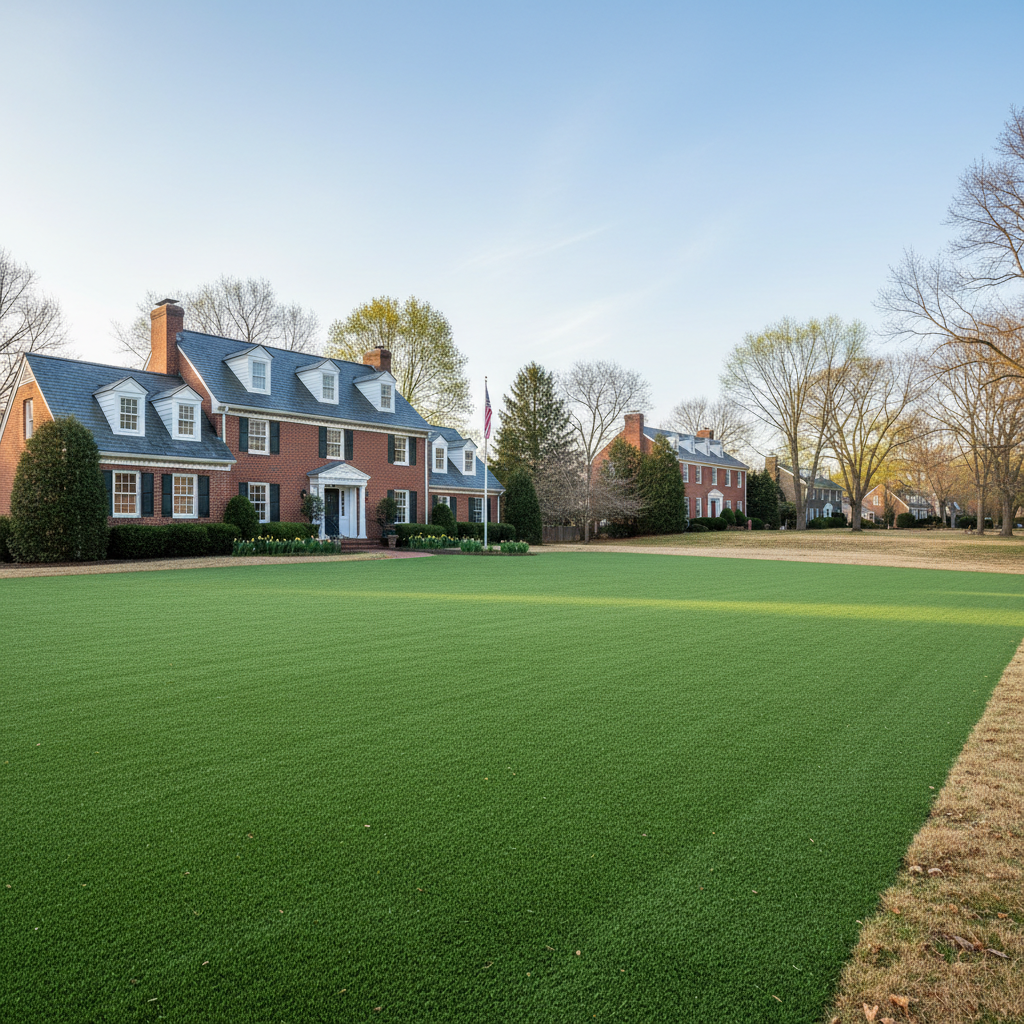
Never use metal shovels, sharp objects, or snowblowers with metal blades, as these can damage the turf fibers or backing. When clearing, leave a small layer of snow, about a quarter to half an inch, to protect the turf from direct contact with removal tools.
4. Avoid Harsh De-Icing Chemicals and Salt
Road salt and many chemical de-icers can be harmful to artificial grass, potentially degrading the fibers and backing materials. These substances can also leave behind residue that might affect drainage or appearance.
If de-icing is absolutely necessary, consider using non-corrosive calcium chloride, but always test a small, inconspicuous area first. The best approach is to allow the sun and natural temperatures to do the work, relying on your turf's excellent drainage.
5. Address Flattened Fibers Post-Winter
After a long winter with snow accumulation, your turf fibers might appear a bit flattened. This is normal and easily remedied. Once the weather warms and the turf is completely dry, use a stiff, non-metal brush or a power broom to gently brush the fibers against the grain.
This simple action will help lift the blades, restoring the lush, natural look of your lawn. Regular brushing also helps redistribute infill, ensuring even coverage and continued performance. You can find more tips on year-round care in our artificial grass blog.
6. Consider Professional Maintenance for Longevity
Even with diligent DIY care, professional maintenance can extend the life and beauty of your artificial grass. Companies like Pags The Turf Guy offer specialized services, including deep cleaning and infill replenishment, which can be particularly beneficial after a harsh winter. This ensures your investment continues to look its best for years to come.
Whether you're considering a new residential lawn installation or need advice on existing turf, a professional artificial grass installation near me can provide invaluable expertise. Pags The Turf Guy proudly serves homeowners across Connecticut, New York City, and New Jersey, providing top-tier service and advice.
Artificial grass is a fantastic, low-maintenance solution that keeps your outdoor space looking great no matter the season. By following these winter tips, your Jersey City home will boast a beautiful, green lawn that's ready for spring. For a free quote on artificial grass installation or maintenance, call Pags The Turf Guy at 866-913-3899 or visit our contact us for a free quote page.
***
Frequently Asked Questions About Artificial Grass in Winter
Q: Does artificial grass get damaged by snow and ice?
A: No, high-quality artificial grass is engineered to be extremely durable and resistant to harsh winter conditions, including snow, ice, and freezing temperatures. The synthetic fibers will not crack, fade, or warp, and the turf's drainage system prevents pooling water.
Q: Can I use a snowblower on my artificial turf?
A: It is generally not recommended to use a snowblower with metal blades on artificial turf, as it can damage the fibers or backing. If snow removal is necessary, use a plastic shovel or a soft-bristled broom, leaving a thin layer of snow to protect the turf.
Q: Will my artificial grass look flat after the snow melts?
A: After snow melts, it's common for artificial grass fibers to appear temporarily flattened due to the weight of the snow. This is not permanent damage. Once the turf is dry, you can easily restore its upright appearance by brushing the fibers against the grain with a stiff, non-metal brush or power broom.