Surviving a freezing winter in Darien, Connecticut with synthetic turf is remarkably straightforward because high-end artificial grass is engineered to handle snow, ice, and sub-zero temperatures. Unlike natural lawns that go dormant or suffer winter kill, premium installations maintain their structural integrity and vibrant look all year long. If you are looking into residential lawn installation or searching for artificial grass installation near me, understanding how your lawn reacts to cold weather ensures long-lasting beauty. Here are six practical tips for keeping your synthetic turf in top shape through the coldest months.
1. Let Snow Melt Naturally
In most residential situations, the best strategy for handling snowfall on your synthetic lawn is to let it melt on its own. High-quality turf backing features advanced drainage systems that allow snowmelt to filter through rapidly without pooling or forming hazardous sheets of ice. This hands-off approach prevents accidental wear and tear on frozen grass blades.
Trying to force snow removal when it is not necessary can sometimes compress the infill layers beneath the surface. Trust the engineered drainage of your system, especially if you had a professional pet-friendly turf installation completed, as these systems are built to handle rapid moisture evacuation year-round.
2. Use Plastic Shovels if Clearing is Necessary
If a heavy nor'easter dumps deep snow on your property and you need a clear pathway across your yard, always use a plastic or rubber shovel. Never use metal snow shovels or sharp tools, as these can easily slice through the turf fibers or puncture the primary backing.
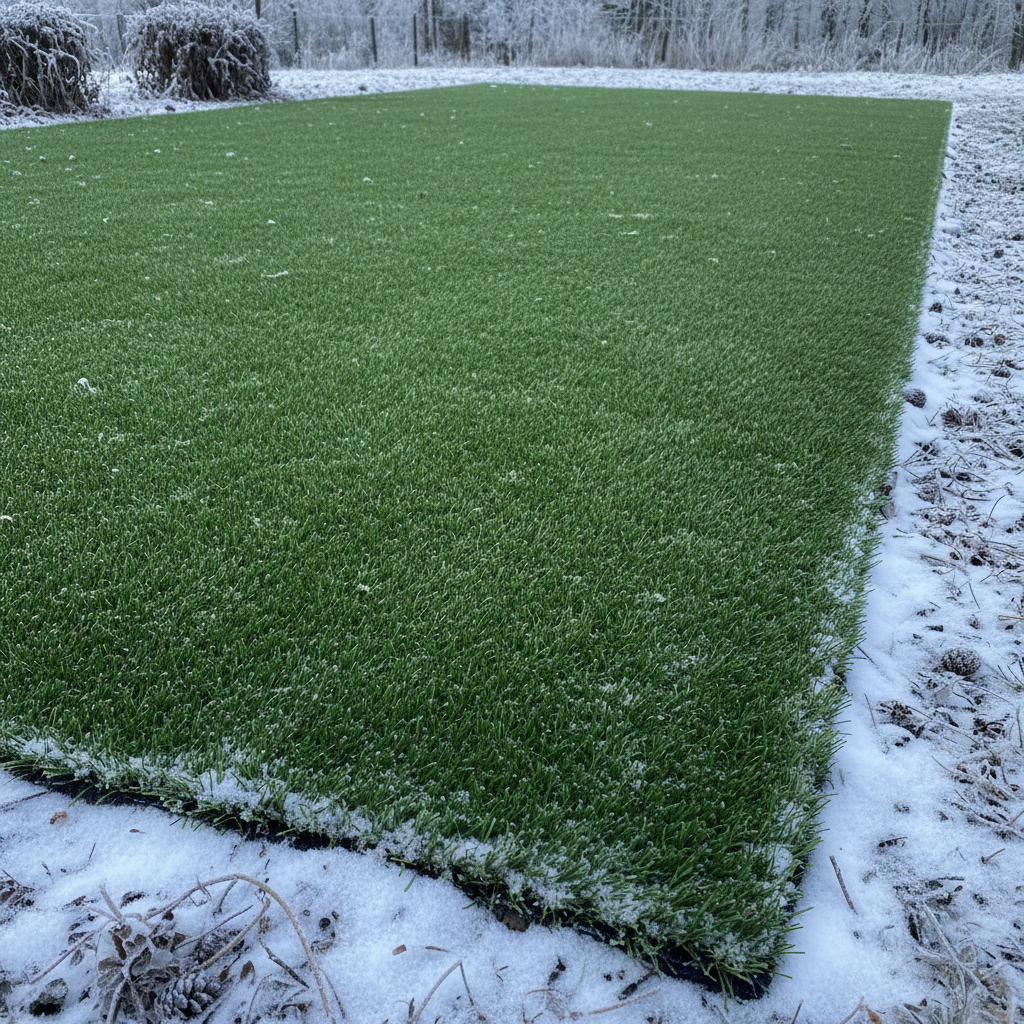
Push the snow gently rather than gouging or chopping at the frozen surface. Taking these precautions keeps your lawn smooth and undamaged until the spring thaw arrives.
3. Say No to Chemical Deicers and Salt
It can be tempting to throw rock salt or chemical melting agents over frozen patches of turf, but these substances leave behind chemical residues. Residues from road salt can gum up the infill, alter the chemical balance, and potentially harm surrounding plantings when the ice melts.
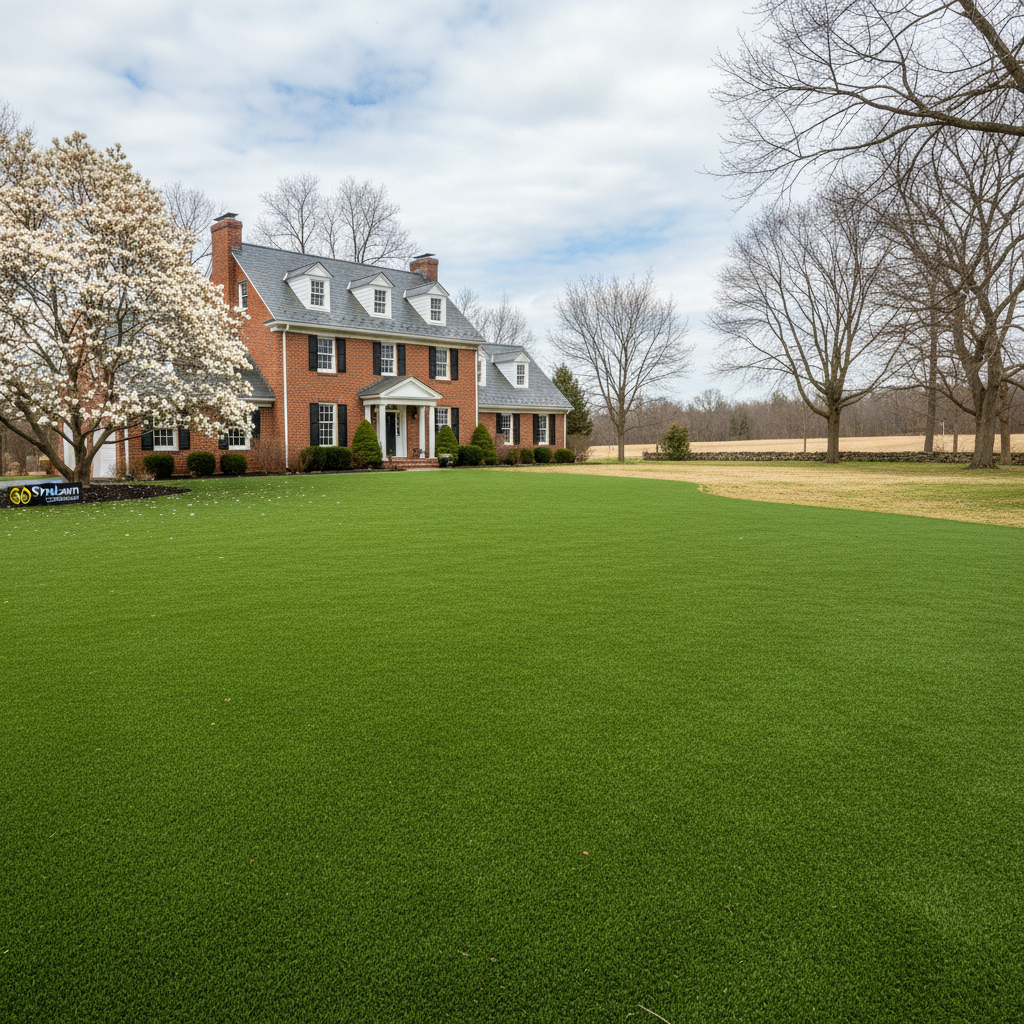
If you need traction on high-traffic walkways intersecting your turf, stick to designated non-toxic alternatives or clear paths adjacent to the lawn. Keeping harsh salts off your synthetic grass preserves both the fibers and the infill longevity.
4. Avoid Heavy Traffic on Frozen Blades
When temperatures drop below freezing, the individual polyethylene blades can temporarily stiffen. While walking across the lawn occasionally is completely fine, avoid heavy recreational use, sports practices, or rough play while the turf is frozen solid.
Frozen blades are less flexible and can experience temporary flattening or splitting under extreme, concentrated pressure. Giving the lawn a brief rest during deep freezes ensures the fibers spring right back upright once the sun warms up the yard.
5. Clear Fall Debris Before the Freeze
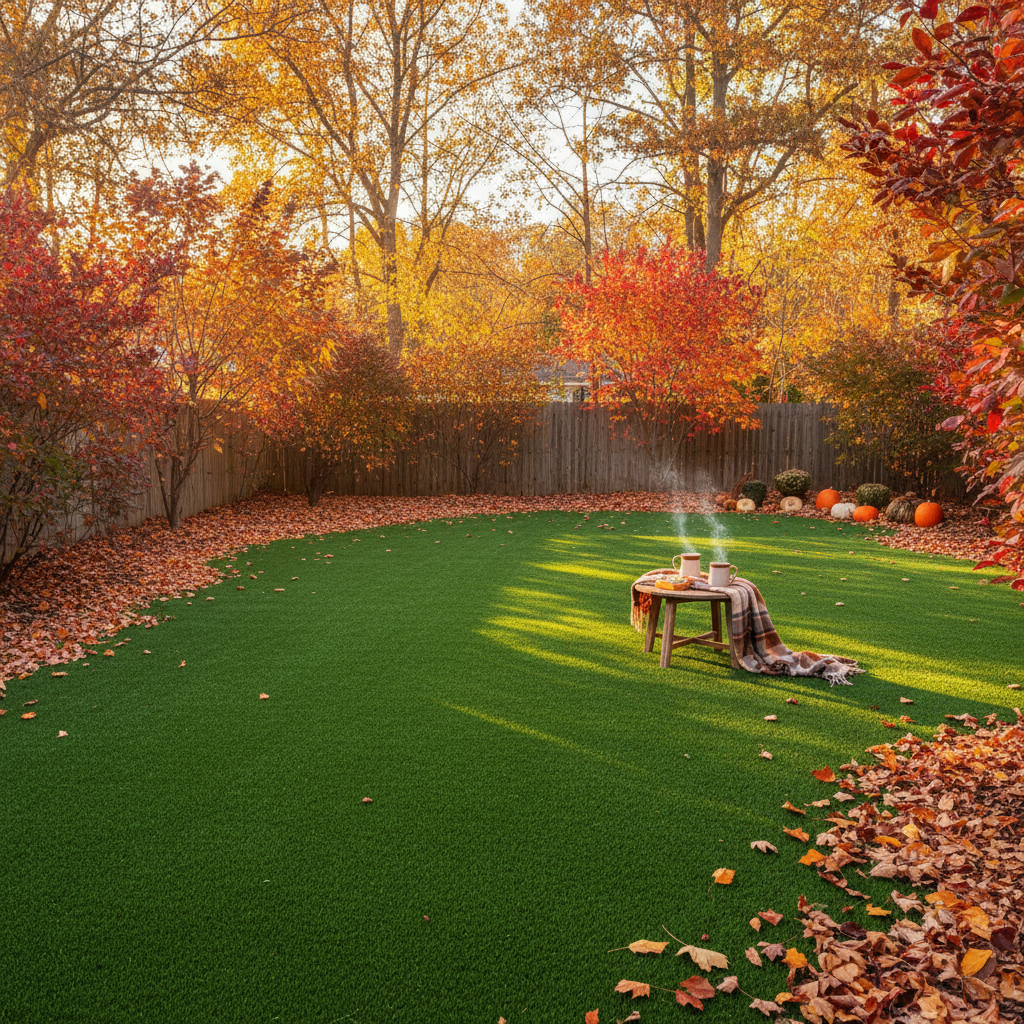
One of the most important preventative steps happens late in autumn before the first hard freeze sets in. Raking or blowing away accumulated leaves, twigs, and organic matter prevents organic debris from freezing directly into the turf canopy.
When leaves freeze into wet mats over synthetic grass, they can trap moisture and encourage mold growth or weed seeds during mid-winter thaws. A clean pre-winter surface sets the stage for a pristine yard come spring.
6. Schedule a Pre-Winter Professional Checkup
Partnering with an experienced local expert like Pags The Turf Guy ensures your outdoor investment stays protected through harsh New England weather. A quick professional inspection can verify that your seams, edges, and infill levels are fully secure before snow accumulation begins.
For homeowners ready to upgrade their properties across our Connecticut service area, professional installation makes all the difference in winter resilience. Reach out to explore our project gallery or contact us for a free quote to prepare your property today.
Conclusion
Maintaining artificial grass through a Darien, Connecticut winter requires minimal effort compared to high-maintenance natural lawns. By letting snow melt naturally, avoiding metal tools, and keeping harsh chemicals away from your yard, your investment will stay vibrant and durable. For expert guidance, custom design options, or to schedule your next project, call Pags The Turf Guy today for free quotes at 866-913-3899.