6 Tips for Surviving Greenwich, CT Winters with Artificial Grass
Artificial grass is a fantastic choice for homeowners in Greenwich, CT, offering a vibrant green lawn year-round with minimal upkeep. Even as the cold winds blow and snow blankets our beautiful state, your synthetic turf can remain pristine and durable with a little care. Unlike natural lawns that go dormant and turn brown, artificial grass maintains its lush appearance, making your outdoor space inviting even in winter.
Many homeowners worry about how their artificial grass will hold up to Connecticut's harsh winter weather, but rest assured, it's designed to withstand extreme conditions. With the right approach, your turf will emerge from winter looking as good as new, ready for spring enjoyment. Here's how to ensure your artificial lawn thrives through the colder months.
1. Don't Fear the Snow-Covered Turf
One of the biggest concerns for artificial grass owners in Greenwich, CT is snow. The good news is that artificial turf is built to handle snow and ice without damage. Its non-absorbent fibers and robust backing system prevent freezing and thawing from causing issues like cracking or lifting.
You don't necessarily need to remove light snowfall from your artificial lawn. In fact, a thin layer of snow can act as an insulator, protecting the turf from extreme cold. For heavier snowfalls, you can clear it, but avoid using metal shovels or sharp objects that could potentially damage the fibers. A plastic shovel or a snowblower with a high setting is ideal to gently push snow off the surface. Remember, the infill helps weigh down the turf, so it won't shift under snow loads.
2. Prioritize Proper Drainage
Good drainage is crucial for any artificial grass installation, especially in areas like Greenwich, CT, which can experience significant winter precipitation. When Pags The Turf Guy installs your artificial grass, we ensure a proper base and drainage system are in place, allowing melted snow and ice to drain efficiently.
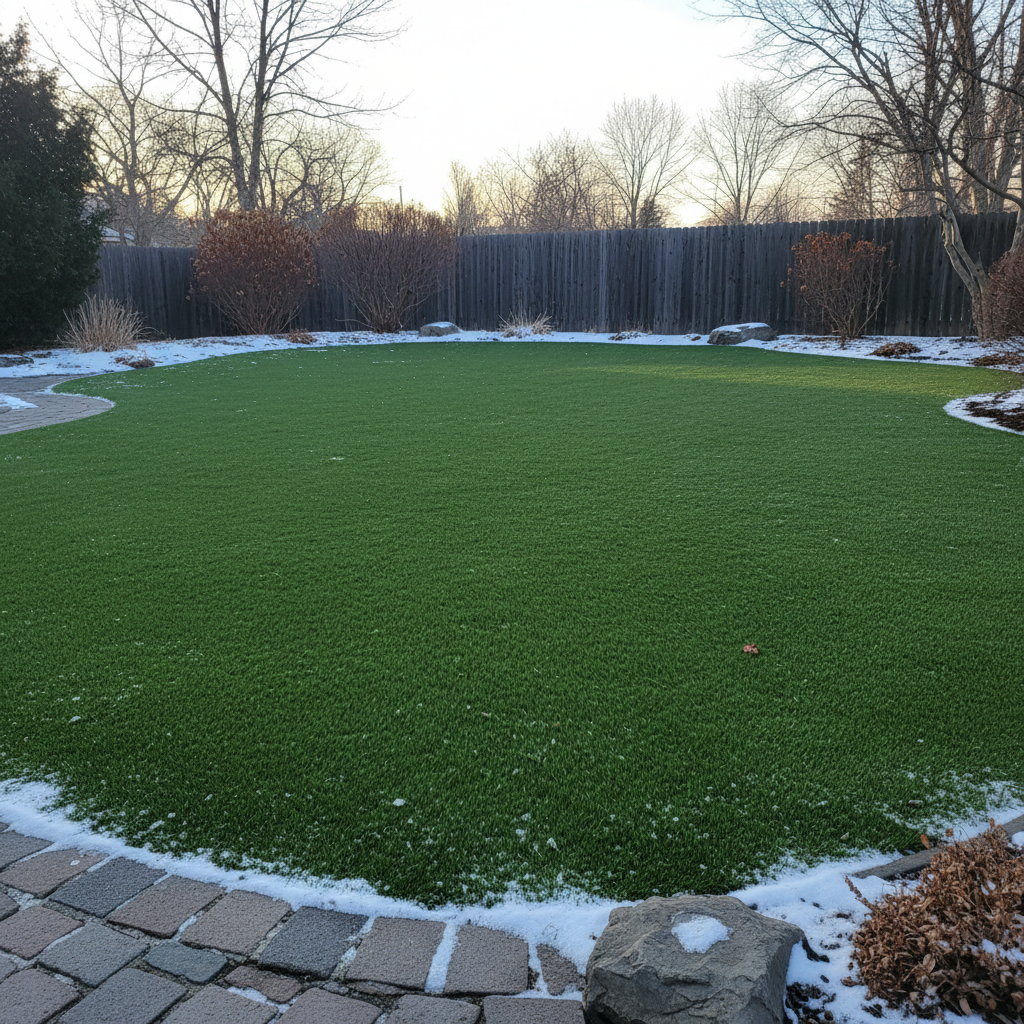
If water pools on your turf and then freezes, it can create an icy, slippery surface. While this won't damage the turf itself, it can be a safety hazard. Make sure your drainage channels or perimeters are clear of debris like fallen leaves or branches before winter sets in. This proactive step helps prevent standing water and subsequent ice formation, ensuring your residential lawn installation remains safe and functional.
3. Avoid Harsh Chemicals and De-Icers
When dealing with ice on your artificial grass, it's tempting to reach for rock salt or chemical de-icers. However, these can be detrimental to your turf. Many de-icing agents contain chemicals that can degrade the turf fibers over time or leave behind a residue that affects drainage and appearance.
Instead, opt for natural alternatives like sand or calcium chloride, which are less corrosive. Even better, simply let the sun do its work. On sunny winter days, the dark infill in your turf can absorb solar energy, helping to melt ice naturally. If you absolutely need to remove ice, a gentle sweep with a broom or a plastic shovel is usually sufficient. For more information on care, check our frequently asked questions.
4. Keep Debris Off Your Turf
Even in winter, debris can accumulate on your artificial lawn. Fallen leaves, pine needles, and small branches can get trapped in the turf fibers. While not as critical as in warmer months, removing this debris is still important. If left under snow and ice, organic matter can decompose, potentially leading to moss or mildew growth once temperatures rise.

Regularly use a leaf blower or a stiff-bristled broom to clear your turf. This simple maintenance step helps keep your artificial grass looking neat and prevents any potential issues that could arise from decaying organic material. It's a small effort that goes a long way in preserving the beauty of your outdoor space turf installation.
5. Address Pet Waste Promptly
For homeowners with pets in New York City, New Jersey, or Connecticut, winter doesn't stop your furry friends from using the yard. Artificial grass is excellent for pets, but pet waste can still be an issue in colder temperatures. While urine drains through the turf, solid waste should be removed promptly, just as you would in warmer months.
If pet waste freezes onto the turf, it can be harder to remove. Use a plastic scoop and then rinse the area with water once temperatures allow. For persistent odors, a specialized turf cleaner can be used when the weather warms up. Our pet-friendly turf installation is designed for easy cleaning, even in winter.
6. Consider Professional Inspection Before Winter
Before winter truly sets in, it's a good idea to have your artificial grass inspected, especially if it's been a few years since installation. A professional turf installer near me, like Pags The Turf Guy, can check for any minor issues that could be exacerbated by winter conditions, such as loose seams or drainage concerns.
This proactive approach ensures your turf is in optimal condition to face the cold. We serve all of New York City service area, New Jersey service area, and Connecticut service area, so if you're in Greenwich, CT, we're your local experts. A quick check can prevent bigger problems down the line, giving you peace of mind throughout the winter.
Embrace Winter with Your Artificial Lawn
Artificial grass offers a truly low-maintenance, beautiful solution for your outdoor space, even through the challenges of a Greenwich, CT winter. By following these simple tips, you can ensure your turf remains vibrant, functional, and ready to enjoy as soon as spring arrives. The durability and aesthetic appeal of synthetic turf make it a smart investment for any homeowner.
Ready to experience the benefits of artificial grass yourself? Contact Pags The Turf Guy, your trusted artificial grass installation near me, for a free quote today! Call us at 866-913-3899 to discuss your project and learn how we can transform your yard.