Surviving Jersey City, NJ winters with artificial grass is much easier than managing a traditional muddy lawn. Synthetic turf is engineered to withstand freezing temperatures, snow, and ice without going dormant or dying. However, freezing weather requires a few specific adjustments to your maintenance routine. Whether you recently invested in residential lawn installation or you are looking into artificial grass installation near me, here are six practical tips to keep your turf pristine all winter long.
1. Let Snow Melt Naturally Whenever Possible
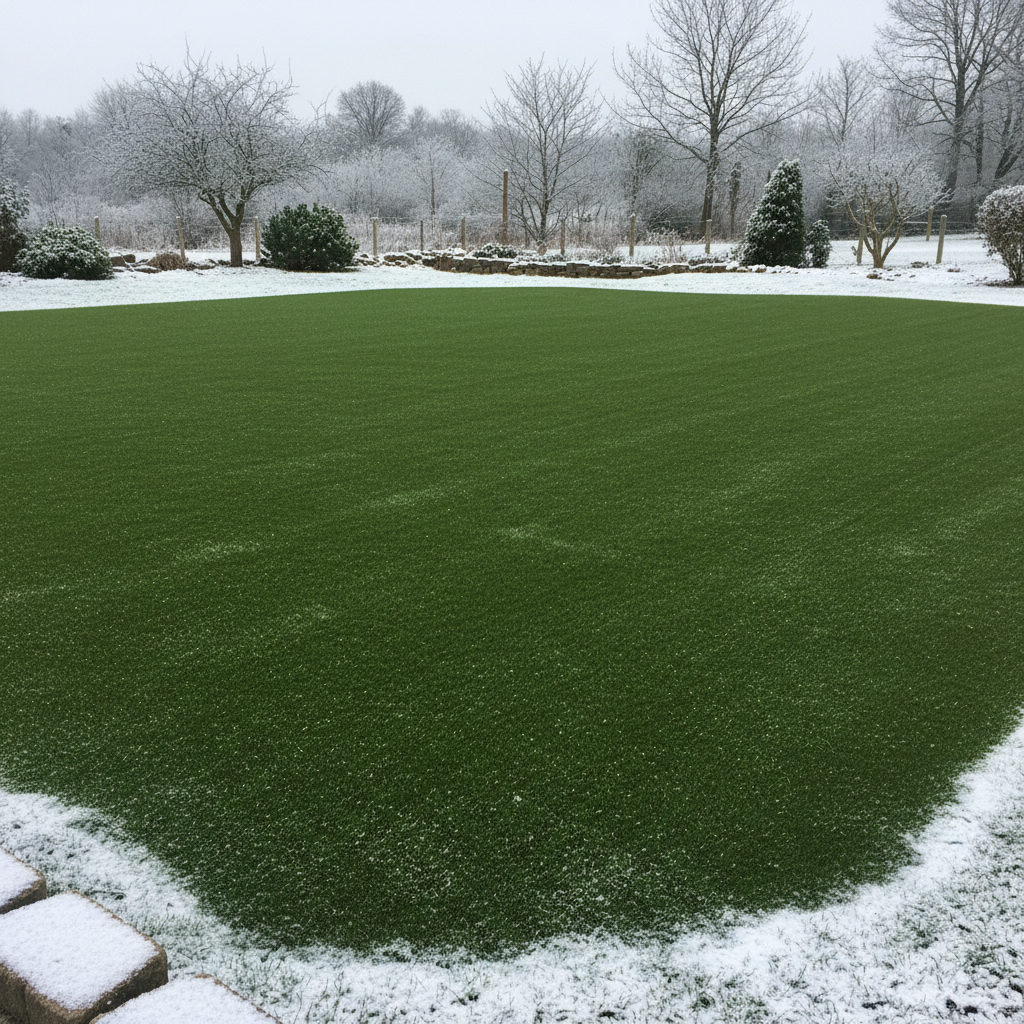
The safest and easiest way to handle snowfall on your synthetic lawn is to let it melt on its own. Artificial turf systems feature advanced backing and sub-base drainage that allow melted snow to drain efficiently through the system. Unless you need to clear a specific pathway for safety, leaving the snow alone prevents accidental damage to the turf fibers.
2. Ditch Metal Shovels for Plastic Alternatives
If a heavy blizzard hits Jersey City and you must shovel your lawn, never use metal shovels or sharp tools. Metal edges can easily slice through synthetic turf fibers or tear the backing material. Instead, always use a plastic snow shovel, a soft-bristle push broom, or a leaf blower for light and fluffy snow accumulation.
3. Avoid Salt and Harsh Chemical Deicers
It can be tempting to throw rock salt or chemical melting agents onto icy patches, but these products can ruin your lawn. Salt residue can degrade the infill material and damage the synthetic fibers over time. If icy conditions create a slipping hazard, sprinkle a small amount of clean sand for temporary traction instead, then rinse it away once spring arrives.
4. Adjust Your Snow Blower Settings
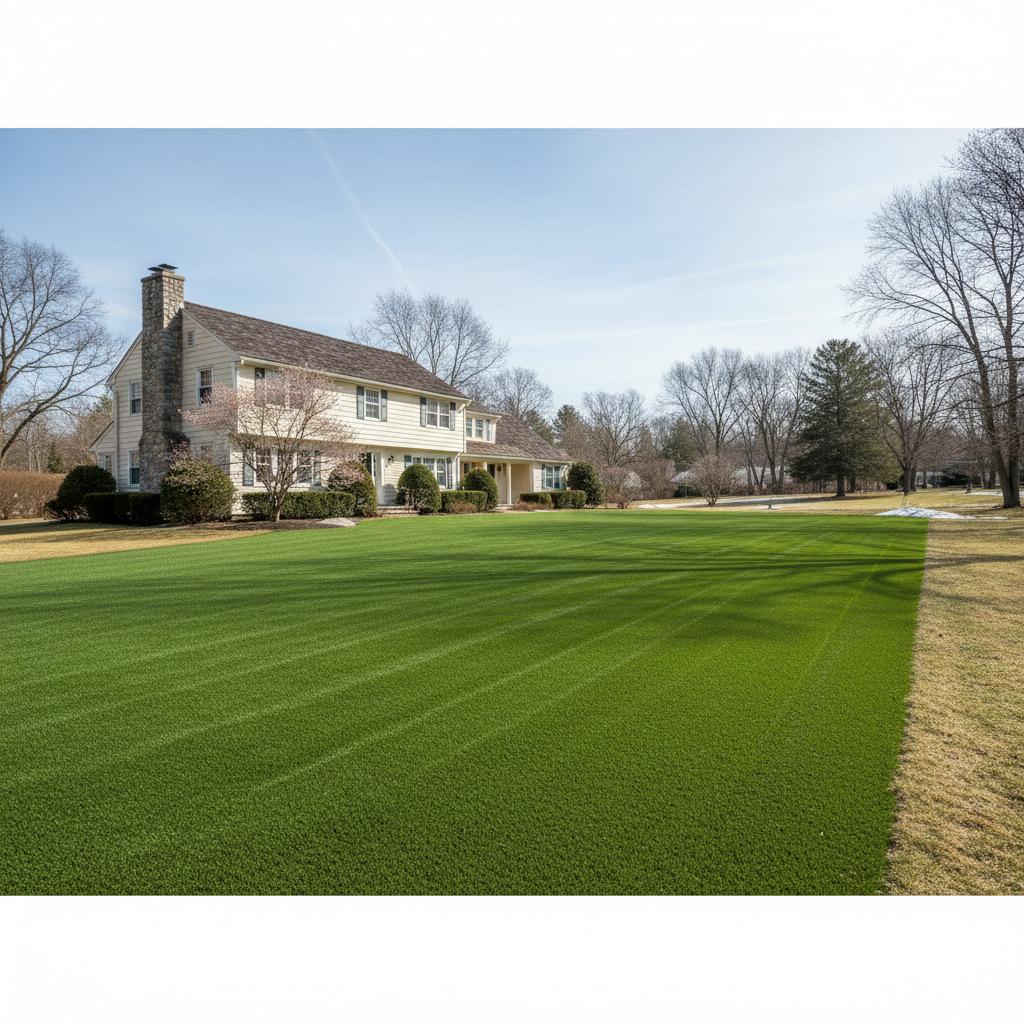
Using a power snow blower on your lawn is acceptable only if you take proper precautions. Make sure to set the snow blower to its highest height setting so the metal auger never makes direct contact with the turf. Keep the machine moving constantly and never let it linger in one spot to prevent friction damage.

5. Clear Debris Before the Freeze Sets In
Autumn leaves and organic debris left on your lawn will trap moisture and freeze solid when winter temperatures drop. Giving your yard a thorough cleaning before the first hard freeze protects the turf blades from unnecessary matting. You can check out our project gallery to see how clean and well-drained a properly maintained synthetic lawn looks year-round.
6. Schedule a Pre-Winter Professional Checkup
Working with an experienced turf installer near me ensures your sub-base and drainage channels are properly optimized before freezing weather arrives. If you notice any loose seams or edging issues during mild autumn days, address them immediately. For expert guidance, contact us for a free quote or call Pags The Turf Guy at 866-913-3899 to keep your outdoor living space in top shape throughout the tri-state area.