Surviving New Canaan, CT winters with artificial grass is surprisingly straightforward when you follow a few best practices tailored to New England weather. Unlike natural lawns that go dormant and turn brown under freezing temperatures, high quality synthetic turf maintains its vibrant green appearance year round. Homeowners searching for artificial grass installation near me often wonder how cold weather affects their investment. Here are six practical tips to keep your lawn looking pristine all winter long.
1. Let Snow Melt Naturally Whenever Possible
One of the greatest benefits of artificial grass is its robust construction, meaning snow accumulation does not damage the synthetic fibers. In most residential settings across New England, the best approach to a snowfall is to simply let it melt on its own. High performance turf features advanced backing systems that allow water and melting snow to drain efficiently away from the surface. If you need a clearer picture of how these systems operate, check out our residential lawn installation page for details.
When snow is left to melt naturally, you eliminate any risk of accidentally tearing or pulling up the turf backing with tools. Pags The Turf Guy designs every project with specialized sub base layers to handle heavy regional precipitation without pooling or freezing solid. You can also explore our free cost calculator to plan future upgrades while your lawn rests under the winter snow.
2. Use Only Plastic Shovels for Manual Snow Removal
If a heavy blizzard hits New Canaan and you urgently need to clear pathways across your yard, always reach for a plastic snow shovel rather than a metal one. Metal shovels and sharp edges can easily slice through synthetic turf fibers or gouge the protective backing underneath. Gently skim the surface instead of scraping the blades aggressively against the turf.
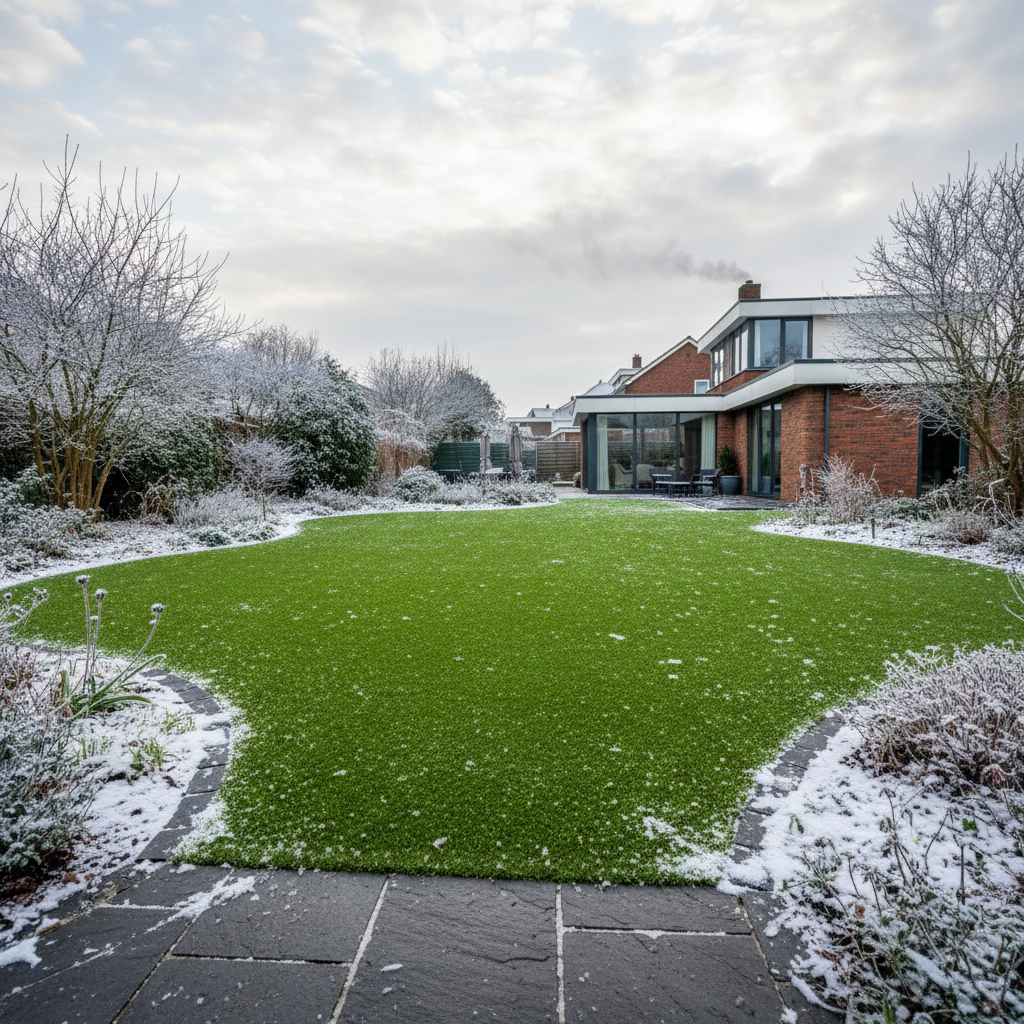
Never use metal snow blowers with aggressive steel augers directly on the grass surface without raising the blade height. Keeping a safe buffer zone of an inch or two protects the integrity of your lawn while still clearing the bulk of the storm. For specialized areas like backyard putting greens, extra care is required, which you can read about in our guide on custom putting green installation.
3. Avoid Harmful Chemical Deicers and Rock Salt
It is tempting to throw down rock salt or chemical deicers when ice forms on or near your synthetic lawn, but these products can cause long term issues. Heavy concentrations of salt sink to the bottom of the turf infill, leaving behind chemical residues that can degrade materials and clog drainage pathways over time. If you must melt ice in high traffic zones, use calcium chloride sparingly or rely on warm water rinses once temperatures rise above freezing.

Harsh chemical deicers can also run off into surrounding landscaping beds and harm nearby plants as the winter snow melts. Protecting your ecosystem is vital, especially when maintaining specialized areas like pet-friendly turf installation zones where paws come into contact with the ground. Keeping chemicals off the turf ensures a safe environment for both kids and pets when spring finally arrives.
4. Clear Debris Before the First Freeze Sets In
Autumn leaves, twigs, and organic debris left sitting on your lawn will freeze solid when winter temperatures plummet. This trapped debris can smother the turf fibers, flatten the pile, and create breeding grounds for mold and mildew under heavy snow packs. Before the ground hardens, take a weekend to clear your yard thoroughly using a leaf blower on a low setting or a soft bristled broom.
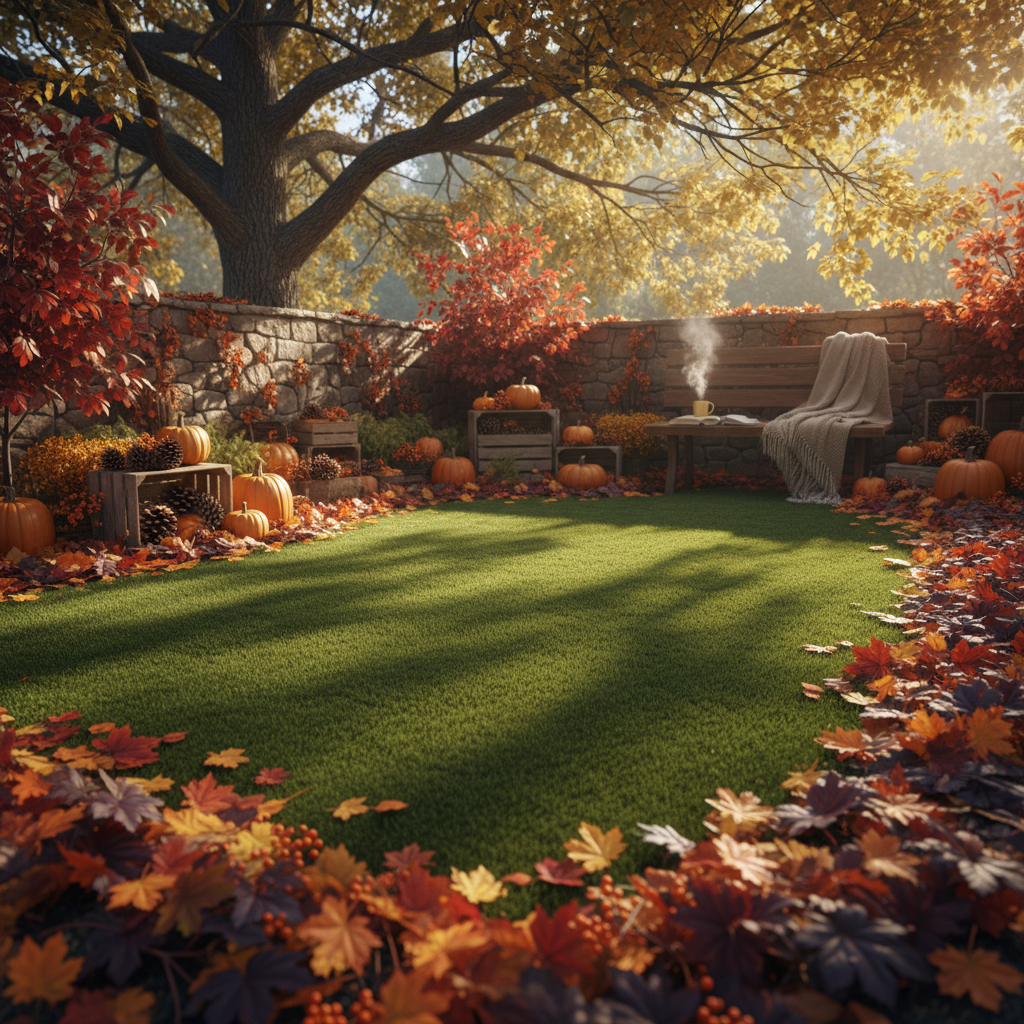
Taking care of this pre-winter cleanup preserves the upright stance of the grass blades and ensures proper airflow. If you want to see examples of yards that have weathered the seasons brilliantly, take a look through our online project gallery. Staying proactive in late autumn prevents minor buildup from turning into major headaches once the snowstorms arrive in Connecticut.
5. Prevent Ice Ruts and Compacted Snow Layers
While light snow is harmless, foot traffic over packed snow and ice can form slippery, dense layers right on top of your artificial grass. This compacted ice layer traps cold temperatures and restricts the natural drainage capacity of the turf system. If heavy foot traffic creates slick patches, gently break up the crust by hand or use warm water to speed up the thawing process rather than stomping on the ice.
Maintaining clear paths across your outdoor living areas ensures that your family can safely enjoy the yard all year. Homeowners looking to upgrade additional zones before next winter can find inspiration by exploring our outdoor space turf installation options. Proper installation design by Pags The Turf Guy ensures that even under heavy frost, your turf remains stable and secure.
6. Schedule a Post-Winter Professional Brush and Power Groom
Once the snow melts away and spring arrives in New Canaan, your artificial grass might look slightly flattened from months of heavy winter weight. A professional power broom service helps lift the flattened synthetic fibers back to their original upright position and redistributes the infill evenly. This quick seasonal reset breathes new life into your lawn and prepares it for heavy spring and summer use.
If you have questions about how seasonal shifts impact different turf types, browse our detailed frequently asked questions page for expert insights. Partnering with Pags The Turf Guy means you always have local experts ready to support your investment through every change in the New England weather calendar.
Summary
Surviving New Canaan winters with artificial grass is simple when you avoid harsh chemicals, use plastic tools, and let nature handle most of the snow. Synthetic turf is engineered to endure freezing temperatures without losing its lush appeal. For expert guidance, maintenance support, or a free quote on your next project, call Pags The Turf Guy today at 866-913-3899.