Artificial grass is an excellent, low-maintenance solution for homeowners across Connecticut, New York City, and New Jersey, even when winter brings its worst. Unlike natural lawns that can turn brown and muddy, synthetic turf remains green and vibrant, providing a beautiful landscape all year long. With a few simple care tips, you can ensure your artificial lawn looks fantastic and performs flawlessly through the coldest months.
1. Let Nature Do Its Job, or Be Gentle with Snow Removal
One of the best things about artificial grass is its resilience. For light to moderate snowfall, you often don't need to do anything at all. The snow will melt naturally, and your turf's excellent drainage system will handle the water, just as it does during heavy rain.
If you have significant snowfall and need to clear paths, use a plastic shovel or a snow blower with a high setting to avoid contact with the turf blades. Metal shovels or sharp edges can damage the fibers. Always push snow in the direction of the turf's pile to prevent matting or dislodging infill. For more detailed guidance, check out our frequently asked questions section.
2. Avoid Using Salt or Harsh Chemicals on Your Turf
While tempting for melting ice on driveways, salt and harsh de-icing chemicals are a big no-no for artificial grass. These substances can leave behind a residue that may affect the turf's drainage properties or even discolor the fibers over time. They can also be harmful to pets and local wildlife.
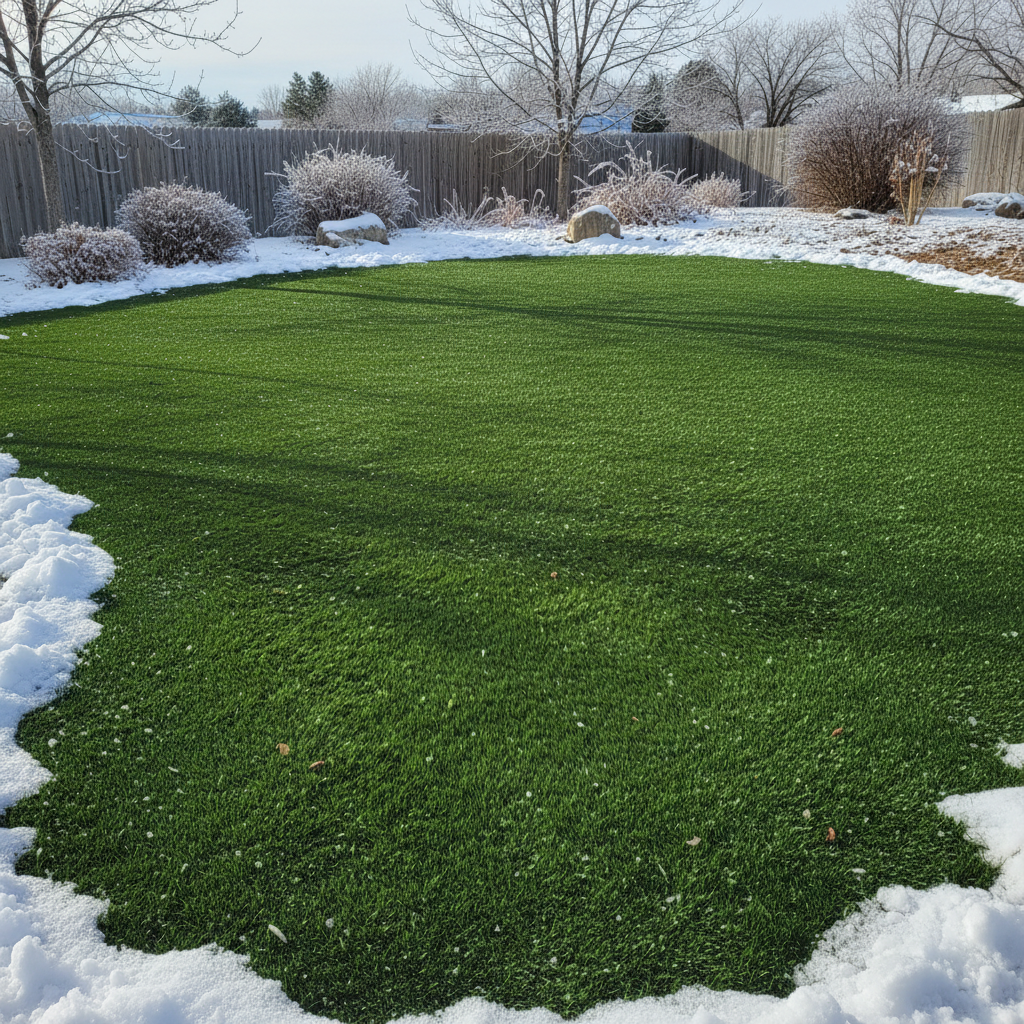
Instead, consider using sand for traction on icy patches, which can be easily rinsed away once the weather warms. For extreme ice, a light sprinkling of pet-safe, non-toxic de-icer can be used sparingly, but always check the product's label for turf compatibility. Your beautiful residential lawn installation deserves gentle care.
3. Ensure Proper Drainage Before Winter Hits
Good drainage is crucial for artificial grass, especially in areas like New Jersey where winter can bring heavy snowmelt and freezing rain. Before the first freeze, make sure your turf's drainage system is clear of leaves, debris, or any obstructions.
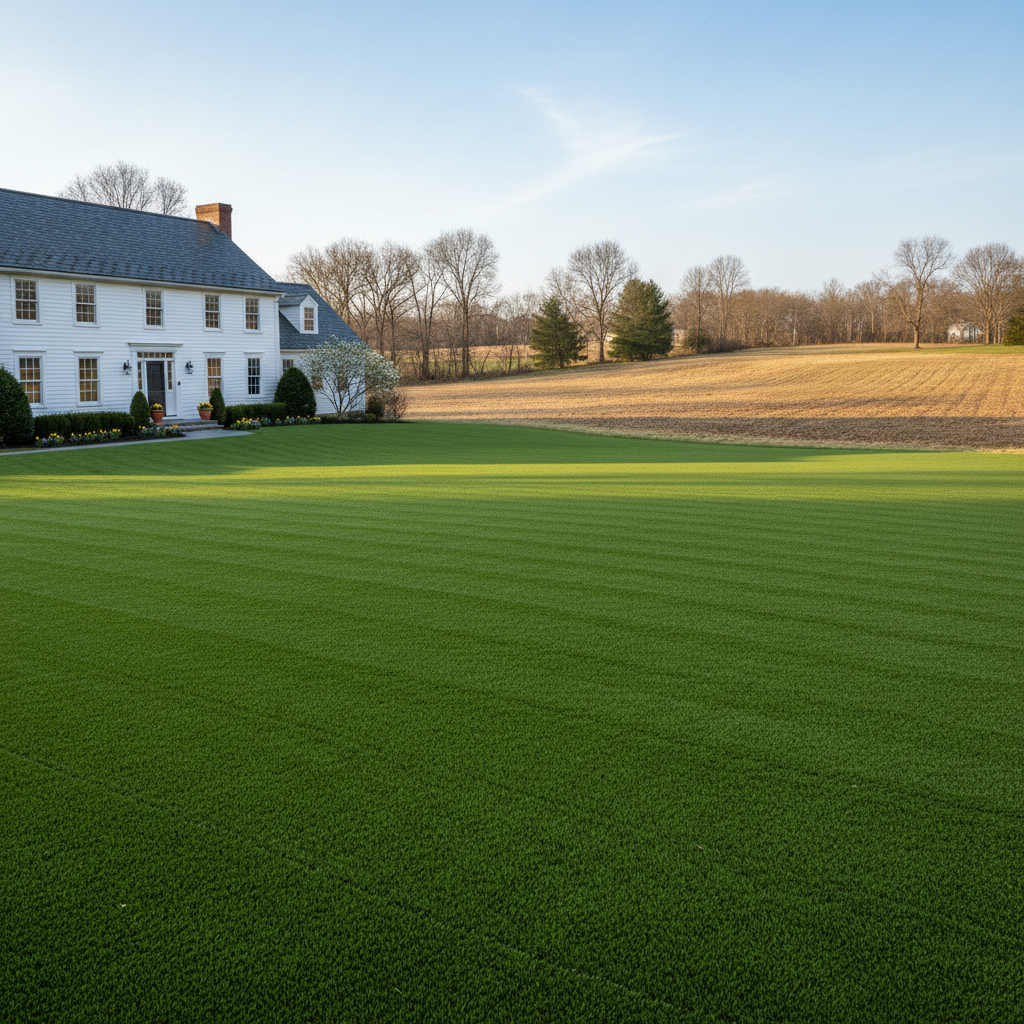
This proactive step prevents water from pooling and potentially freezing on the surface, which could lead to temporary ice patches. Our expert artificial grass installation near me ensures optimal drainage from the start, but a quick check before winter is always a good idea. You can learn more about our installation process on our about Pags The Turf Guy page.
4. Keep Heavy Objects Off Your Turf During Freezing Temperatures
While artificial grass is durable, prolonged pressure from heavy objects during freezing conditions can temporarily flatten the turf fibers. This is especially true if the fibers are frozen stiff. Avoid parking vehicles, placing heavy planters, or leaving furniture on your turf for extended periods when temperatures are consistently below freezing.
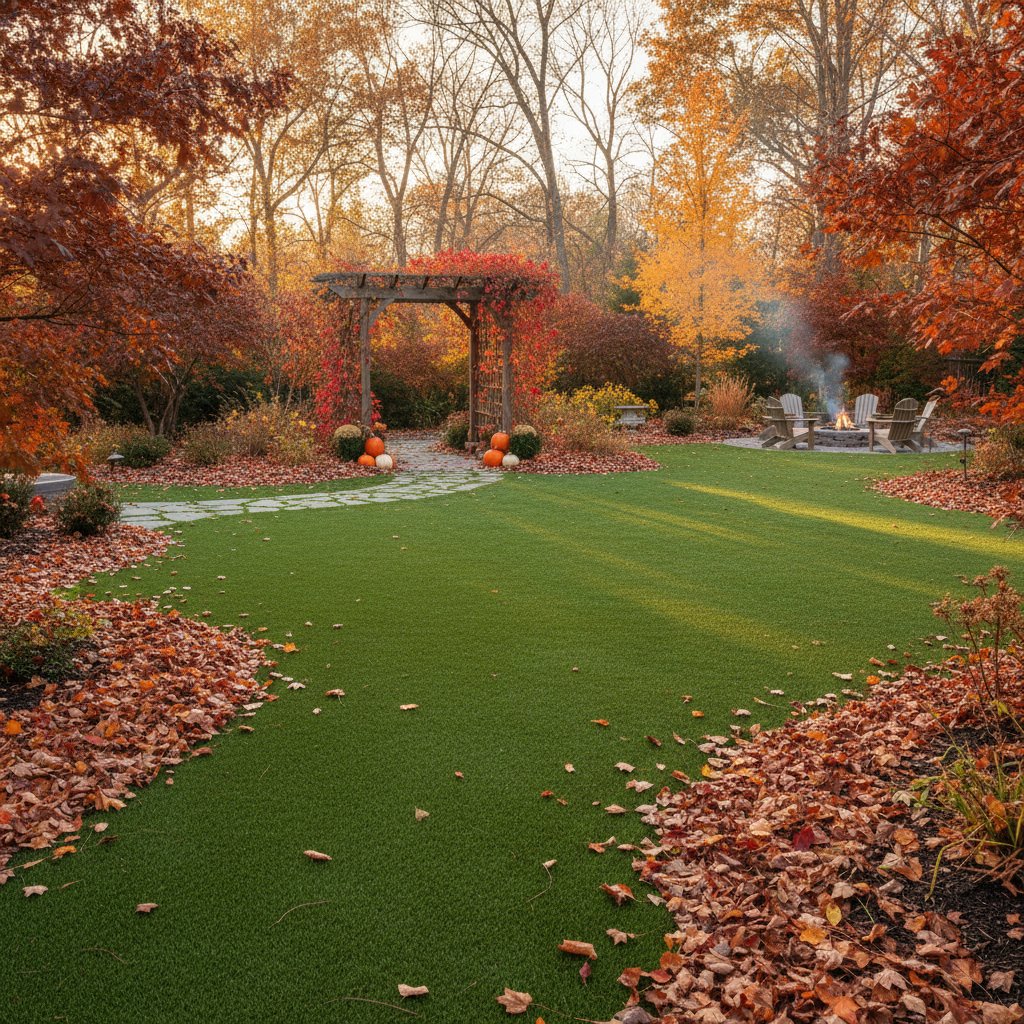
Once the weather warms, the fibers will typically spring back, but prevention is always best. This tip applies to all our installations, from pet-friendly turf installation to custom putting green installation.
5. Rinse Away Debris After Snowmelt
After the snow and ice have completely melted, it's a good practice to give your artificial lawn a quick rinse. This helps wash away any lingering dirt, dust, or fine debris that might have been trapped under the snow. It also helps redistribute the infill material.
A simple hose-down is usually sufficient to keep your turf looking fresh and clean. This is part of the minimal maintenance that makes artificial grass so appealing, allowing you to enjoy your outdoor space even in our New Jersey service area.
6. Schedule a Professional Inspection for Peace of Mind
Even with the best DIY care, a professional check-up can offer peace of mind. Pags The Turf Guy offers maintenance services and can inspect your turf for any potential issues that might arise from winter weather, ensuring its longevity and appearance.
Our team can check for infill levels, drainage efficiency, and any minor repairs needed, preparing your lawn for spring. We're your trusted turf installer near me, serving homeowners and businesses throughout the region. Check out our project gallery for examples of our work.
Artificial grass is a fantastic investment, providing a beautiful, low-maintenance lawn year-round, even through the challenging New Jersey winters. By following these simple tips, you can ensure your turf remains a vibrant centerpiece of your home. If you're considering artificial grass for your property, Pags The Turf Guy is here to help. Contact us today for a free quote at 866-913-3899, or visit our contact us for a free quote page. We're proud to be your local expert for artificial grass installation near me in CT, NYC, and NJ.