Artificial grass is a fantastic choice for homeowners in New Jersey, New York City, and Connecticut, offering a lush green lawn year-round with minimal upkeep. When winter arrives, many wonder how their beautiful turf will hold up to snow and ice. The good news is, artificial grass is designed to withstand harsh weather conditions, making winter survival surprisingly easy. With a few simple steps, you can ensure your synthetic lawn stays pristine and ready for spring.
1. Let Snow Melt Naturally When Possible
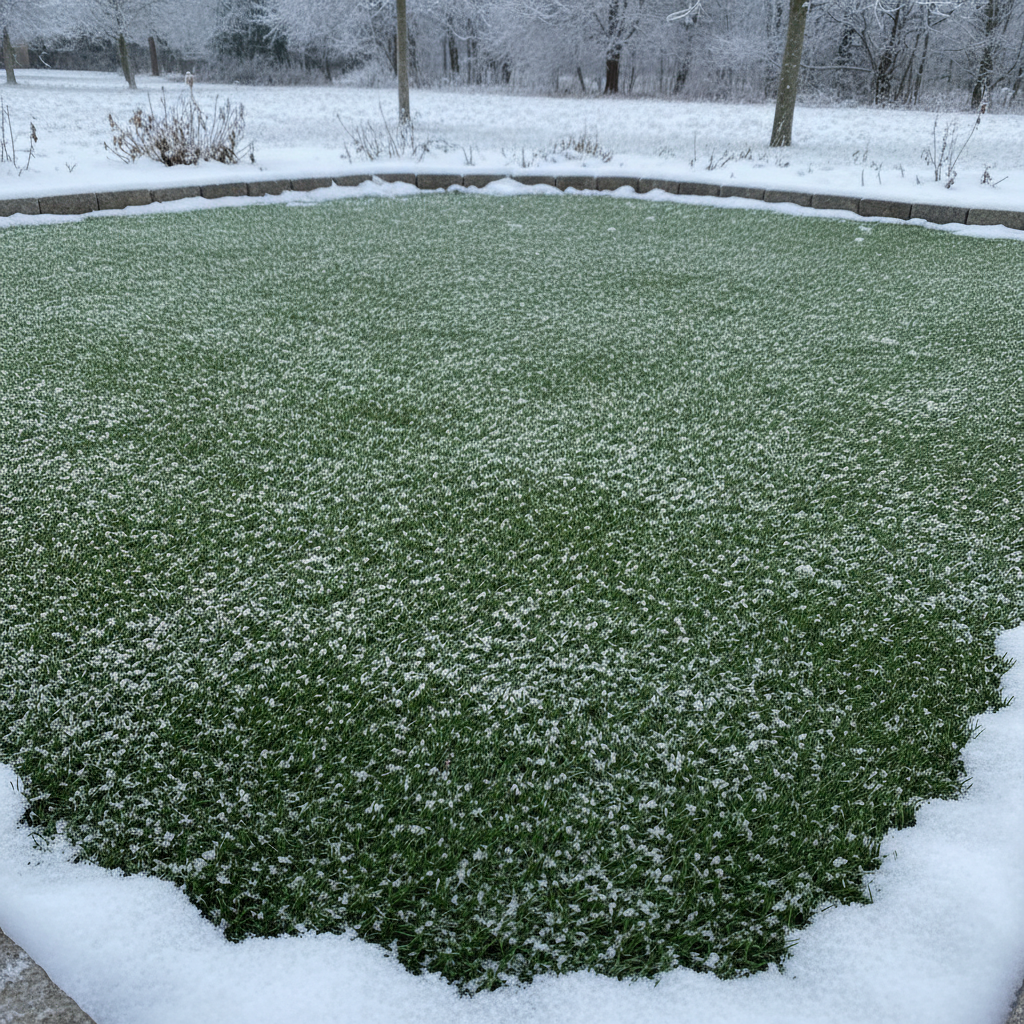
One of the best things about artificial grass is its durability, even under a blanket of snow. For light to moderate snowfalls, the most straightforward approach is often the best: just let it melt naturally. The permeable backing of quality artificial turf, like that installed by Pags The Turf Guy, allows melted snow to drain efficiently, preventing puddles and ice buildup on the surface.
This natural melting process saves you time and effort, eliminating the need for shoveling or plowing. Plus, it ensures no damage occurs to the turf fibers from abrasive tools. Your artificial lawn is built to handle the elements, so trust it to do its job.
2. Use the Right Tools for Snow Removal
While natural melting is ideal, heavy snowfalls or icy conditions in New Jersey might require some intervention. If you need to remove snow, always use a plastic shovel or a snow blower without sharp edges. Metal shovels or tools with pointed ends can potentially damage the turf fibers or the infill, compromising your lawn's longevity.
Avoid using rock salt or chemical de-icers directly on your artificial grass, as these can leave a residue or potentially affect the drainage system over time. Sand can be a safer alternative for traction on icy patches, but always rinse it thoroughly once the ice has melted to prevent compaction.
3. Clear Debris Before Winter Hits
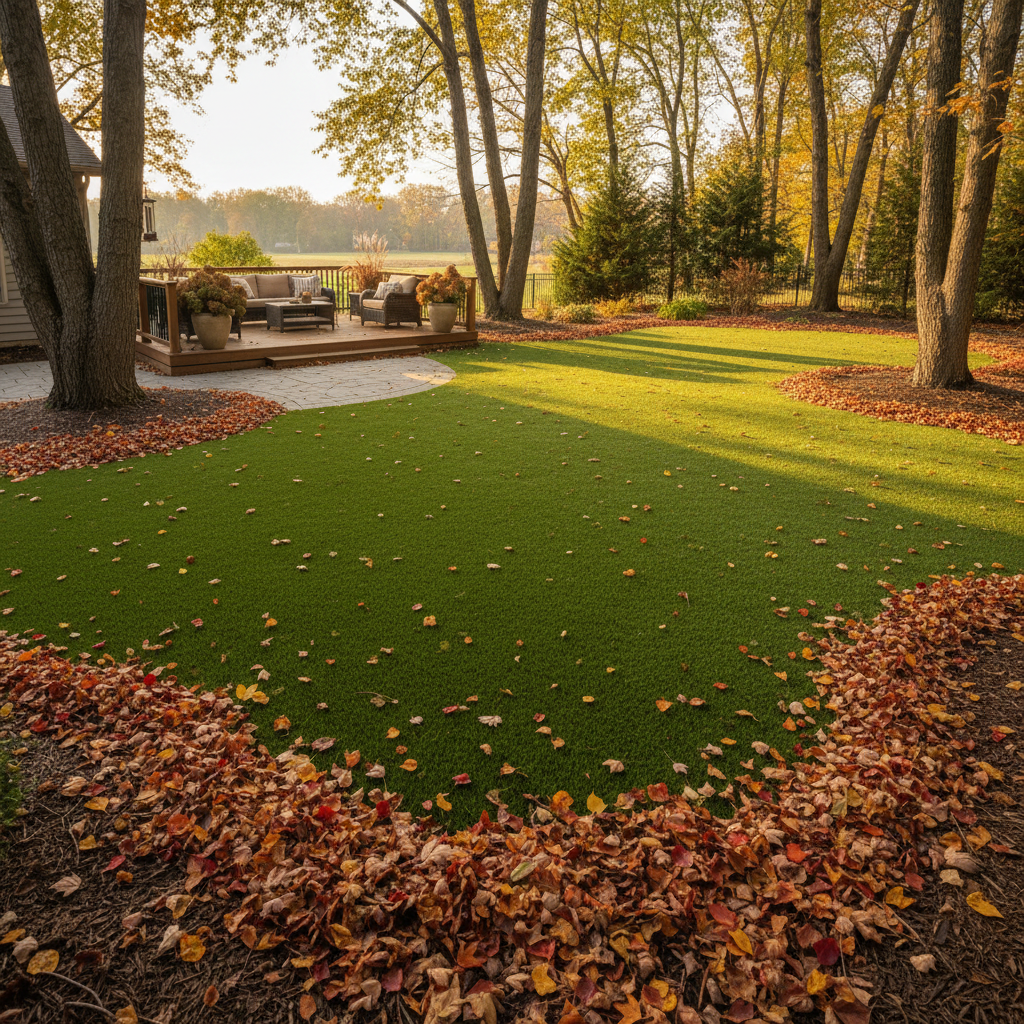
Preparation is key for any New Jersey homeowner. Before the first snowfall, take some time to thoroughly clear your artificial lawn of leaves, branches, and any other debris. This prevents organic matter from getting trapped under the snow and potentially causing stains or mildew when it melts.

A leaf blower or a stiff-bristled broom works wonders for this task. A clean turf surface going into winter will make spring cleanup much easier and help maintain the vibrant look of your artificial grass, whether it's a residential lawn installation or a pet-friendly turf installation.
4. Address Ice Patches Carefully
Ice can be tricky, but your artificial grass can handle it. If you encounter stubborn ice patches, avoid chipping away at them with sharp objects. Instead, you can try applying a small amount of calcium chloride, which is generally safe for artificial turf, to help break down the ice. Always test a small, inconspicuous area first and rinse thoroughly afterward.
Another effective method is to gently pour warm (not boiling) water over the ice, allowing it to melt. For larger areas, consider using a leaf blower on a low heat setting, if available, to encourage melting without damaging the turf fibers. For more detailed maintenance advice, check out our frequently asked questions.
5. Regular Rinsing and Brushing (Even in Winter)
Even during the colder months, occasional maintenance can make a big difference. If you have a mild spell in New Jersey, or after snow has melted, give your artificial grass a quick rinse with a hose. This helps wash away any accumulated dust, dirt, or pet waste that might have been hidden under the snow.
Periodically brushing your turf with a power broom or a stiff-bristled broom will help keep the fibers upright, maintaining the lush appearance and proper drainage. This is especially important for high-traffic areas or if you have a pet-friendly turf installation that sees year-round use.
6. Trust the Experts for Artificial Grass Installation Near Me
Choosing a high-quality artificial grass installation near me is the first step to a low-maintenance winter. Pags The Turf Guy uses premium materials and expert installation techniques that ensure your turf can withstand the Northeast's challenging climate. Our installations are designed for optimal drainage and durability, making winter care a breeze.
From Connecticut to New York City and throughout New Jersey, we stand by our work. If you're considering artificial grass for your home or business, explore our project gallery or learn more about our residential lawn installation services. A proper installation means less worry when the snow starts to fall.
Artificial grass truly shines in winter, offering a green oasis when natural lawns are dormant and muddy. By following these simple tips, you can enjoy a beautiful, low-maintenance landscape all year long. For a free quote on transforming your yard, contact Pags The Turf Guy at 866-913-3899. We're here to help you make the smart choice for your outdoor space.