6 Tips for Surviving New Jersey Winters with Artificial Grass
Artificial grass is an incredible solution for homeowners in New Jersey, offering a vibrant, green lawn without the constant upkeep of natural grass. Many homeowners wonder how their beautiful turf will hold up against the cold, snow, and ice that New Jersey winters bring. The good news is, artificial grass is designed to be incredibly durable and resilient, making winter care much simpler than you might think.
With proper installation and a few simple maintenance steps, your artificial lawn will look great through even the harshest winter weather. Pags The Turf Guy, your trusted artificial grass installation near me expert, is here to share some practical advice to ensure your investment stays pristine year after year, whether you're in New Jersey, New York City, or Connecticut.
1. Don't Worry About the Cold or Snow Itself
One of the biggest concerns homeowners have is whether cold temperatures or snow will damage their artificial grass. Rest assured, modern synthetic turf is engineered to withstand extreme weather conditions, including freezing temperatures and heavy snowfall. The materials used, like polyethylene and polypropylene, are UV-stabilized and temperature-resistant.
Your artificial grass will not crack, fade, or become brittle in the cold. Snow and ice will simply sit on top of the turf fibers and melt away naturally, just as they would on a hard surface. This inherent durability is one of the many reasons why homeowners choose artificial grass for their residential lawn installation projects.
2. Let Snow Melt Naturally When Possible
For light to moderate snowfall, the best approach is often to do nothing at all. Allowing the snow to melt naturally prevents any potential damage from shoveling or using equipment. The permeable backing of your artificial grass ensures that melted snow drains efficiently, preventing puddles and ice buildup on the turf surface itself.
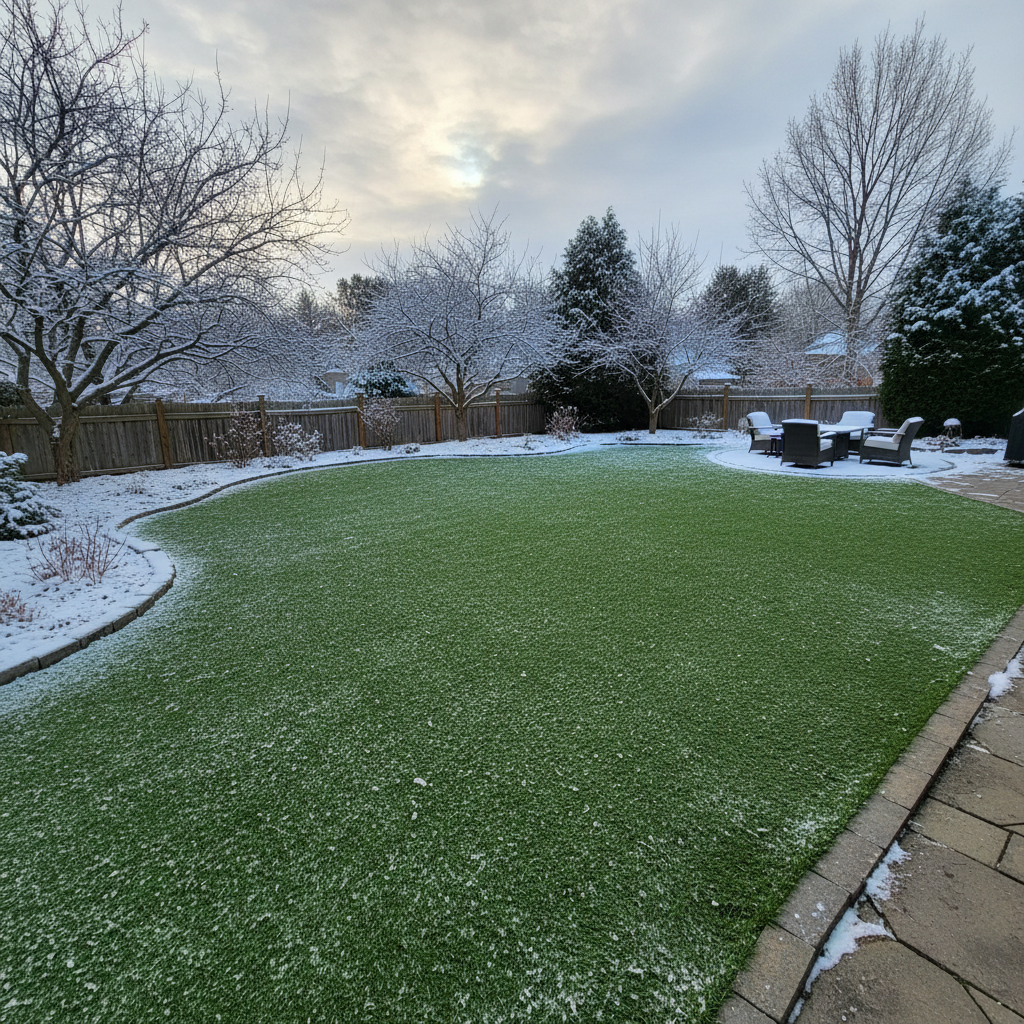
This natural melting process is not only the easiest method but also the safest for your turf. It eliminates the risk of accidentally dislodging infill or damaging the fibers. For more details on how our turf handles water, check out our frequently asked questions.
3. Clear Heavy Snow Carefully
While light snow can melt on its own, heavy snowfalls, especially those over 4-6 inches, might warrant removal, particularly if you need to use the area. When removing snow, always use a plastic shovel or a snowblower with a plastic blade setting. Avoid metal shovels or sharp objects, as these can cut or tear the turf fibers.

Shovel in the direction of the turf blades to minimize disruption to the infill. If using a snowblower, ensure it's set to a high enough height to avoid direct contact with the turf. For larger areas, like those found in commercial turf installation projects, professional snow removal services familiar with artificial turf are recommended.
4. Avoid Harsh Chemicals and Salt
It might be tempting to use rock salt or de-icing chemicals to melt snow and ice quickly, but these should be avoided on artificial grass. Many de-icing agents contain chemicals that can be corrosive to the turf fibers over time, potentially causing discoloration or degradation. They can also leave a sticky residue.
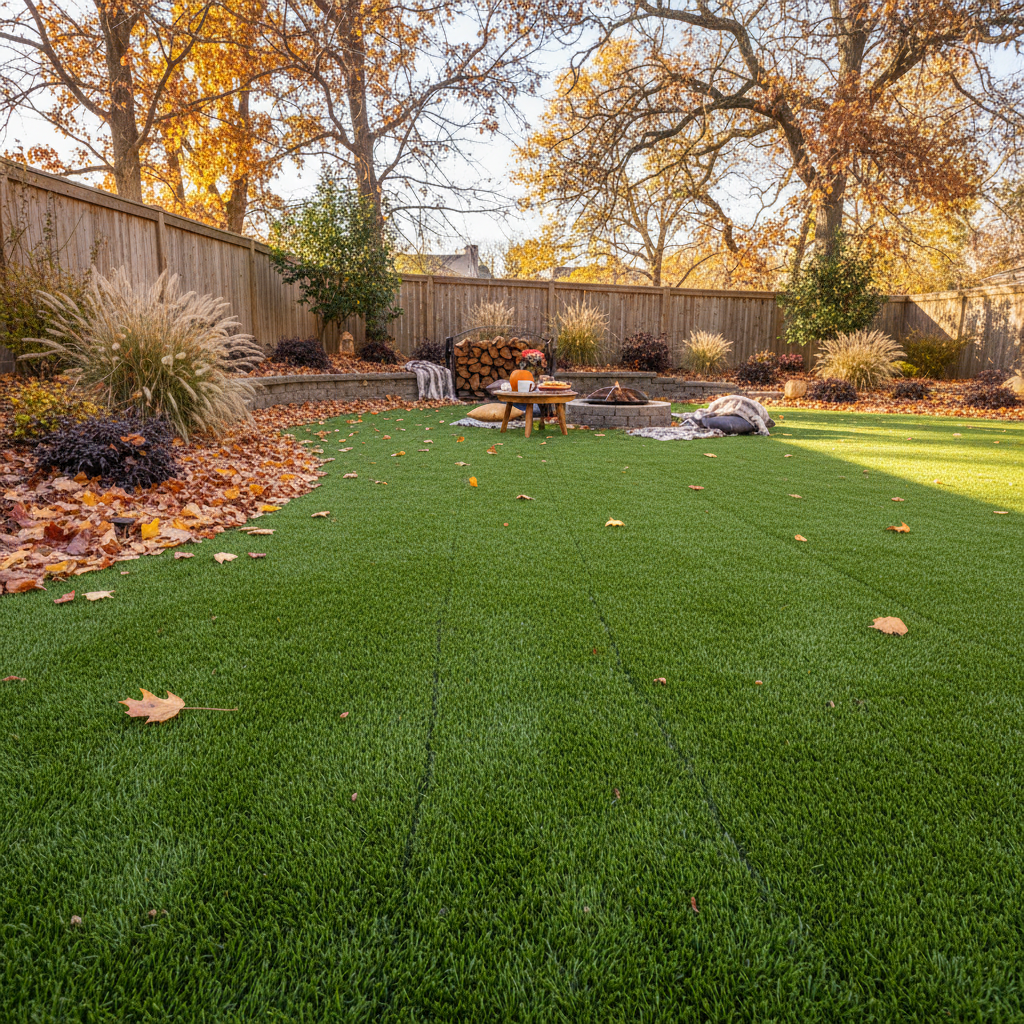
Instead, consider using sand for traction if needed, or simply wait for the ice to melt naturally. If you absolutely must use a de-icer, opt for pet-friendly and turf-safe options, and always rinse the area thoroughly once the ice has melted. This is especially important for areas like pet-friendly turf installation where your furry friends will be playing.
5. Ensure Proper Drainage is Maintained
Before winter sets in, it's a good idea to ensure your artificial grass drainage system is clear. While Pags The Turf Guy ensures superior drainage during installation, leaves, debris, or compacted infill can sometimes impede water flow. A quick sweep or a light rinse can help clear any blockages.
Proper drainage is crucial for preventing standing water and potential ice patches. Our expert installation process guarantees optimal water runoff, but a little proactive maintenance from you can go a long way. This ensures your turf remains functional, whether it's a small backyard or a large outdoor space turf installation.
6. Light Brushing After Snow Melt
After a prolonged period of snow cover, your artificial grass fibers might appear a bit flattened. This is completely normal and easily remedied. Once all the snow and ice have melted, and the turf is dry, a light brushing with a stiff-bristled broom can help rejuvenate the fibers.
Brush against the grain of the turf to lift the blades back to their upright position. This simple step helps maintain the lush, natural look of your lawn. It's a quick and easy way to keep your turf looking its best, ready for spring activities like a round on your custom putting green installation or playtime on your playground turf installation.
Artificial grass is an excellent, low-maintenance choice for New Jersey homeowners, even through the winter months. By following these straightforward tips, you can ensure your artificial lawn remains beautiful, functional, and ready for enjoyment year-round. Pags The Turf Guy is committed to providing top-quality turf and expert advice for all our clients across Connecticut, New York City, and New Jersey.
Ready to enjoy a green lawn all year? Contact Pags The Turf Guy for a free quote at 866-913-3899. We're your local turf installer near me, ready to transform your outdoor space!
Frequently Asked Questions
Q: Can artificial grass get damaged by freezing temperatures in New Jersey?
A: No, modern artificial grass is specifically designed to withstand freezing temperatures without cracking, fading, or becoming brittle. The materials used are highly durable and resilient to extreme cold.
Q: Is it safe to shovel snow off artificial turf?
A: Yes, but with caution. Always use a plastic shovel or a snowblower with a plastic blade setting to avoid damaging the turf fibers or dislodging the infill. Shovel in the direction of the turf blades.
Q: Will ice melt or rock salt harm my artificial lawn?
A: It's best to avoid harsh chemicals, including most rock salts and de-icing agents, as they can potentially damage or discolor turf fibers over time. Allow ice to melt naturally or use sand for traction if absolutely necessary.