6 Tips for Surviving Norwalk, CT Winters with Artificial Grass
Artificial grass offers a fantastic, low-maintenance lawn solution, especially for homeowners in Norwalk, CT, who want to enjoy a green yard year-round without the hassle. When winter arrives, many wonder how their synthetic turf will hold up against snow, ice, and freezing temperatures. The good news is that artificial grass is incredibly resilient and designed to withstand harsh weather conditions, making it a perfect choice for our region, including New York City and New Jersey.
With a little preparation and understanding, your artificial lawn will continue to look great and perform well throughout the colder months. Here are six essential tips from Pags The Turf Guy to help your artificial grass survive and thrive this winter.
1. Keep Your Turf Clean and Clear of Debris
Even in winter, debris can accumulate on your artificial grass. Leaves, twigs, and other organic matter can get trapped in the fibers, especially before the first snowfall.
Before winter truly sets in, give your turf a thorough cleaning. Use a stiff-bristled broom or a leaf blower to remove any fallen leaves or pine needles. This prevents organic material from decomposing on your turf, which could lead to moss or mildew growth once the snow melts. A clean base ensures your turf is ready to handle whatever winter throws at it.
2. Let Snow Melt Naturally, or Gently Remove It
One of the biggest concerns for homeowners in Norwalk, CT, is how artificial grass handles snow. The best approach is often to let the snow melt naturally. Artificial turf is designed with excellent drainage, so melting snow will simply drain away through the permeable backing, just like rainwater.
If you need to clear snow for access, use a plastic shovel or a snow blower set to a high height to avoid contact with the turf fibers. Never use metal shovels, sharp objects, or rock salt, as these can damage the turf blades or backing. For more insights on caring for your lawn, check out our frequently asked questions.
3. Avoid Using Harsh Chemicals or Rock Salt
While rock salt is common for melting ice on driveways and walkways, it's a big no-no for artificial grass. The chemicals in rock salt, and even some ice melt products, can be corrosive and potentially damage the turf fibers or backing over time.
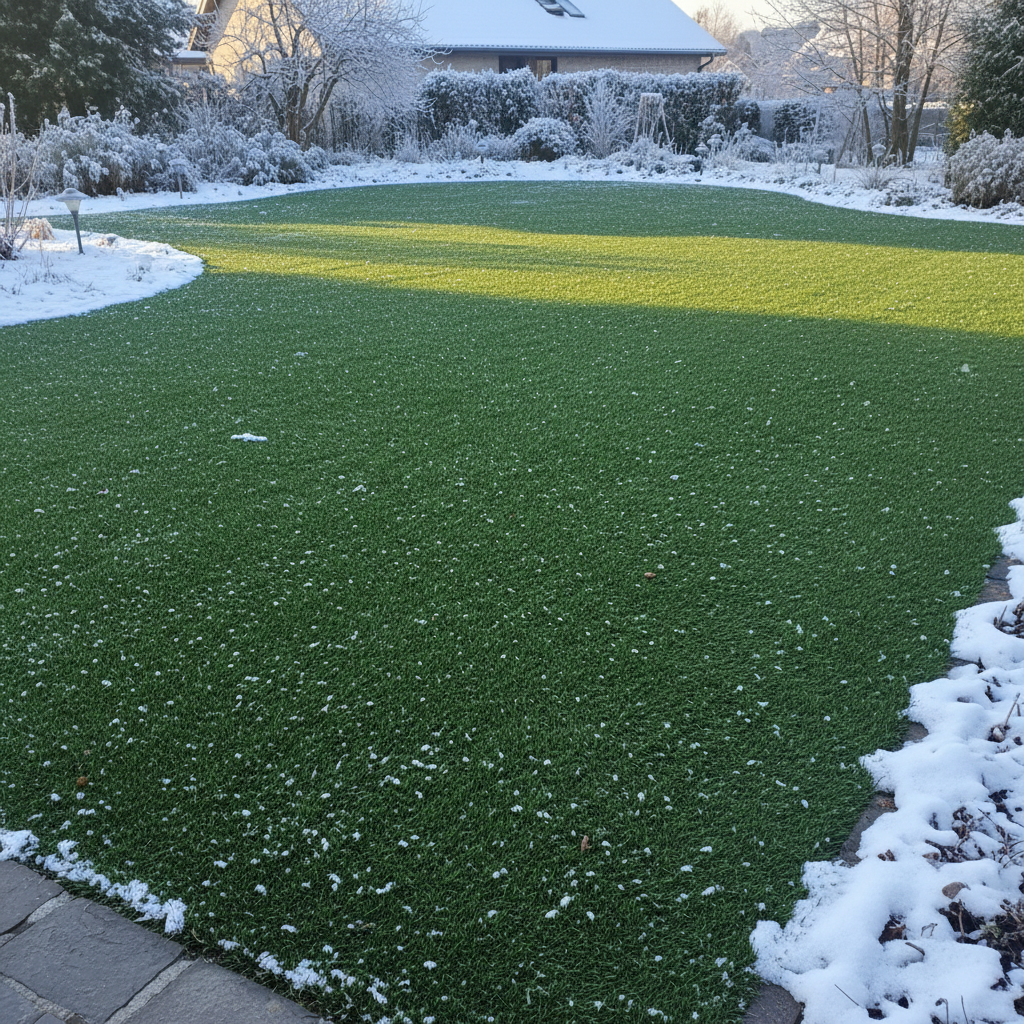
Instead, consider using sand or non-toxic, pet-friendly ice melt products if you absolutely need to address icy patches. However, in most cases, a gentle sweep or allowing the ice to melt naturally is the safest option. This is especially important for those with pet-friendly turf installation to protect your furry friends.
4. Brush Your Turf After Snow Melt
Once the snow has completely melted and the turf is dry, you might notice the fibers look a bit matted down. This is completely normal and easily fixed.
Use a power broom or a stiff-bristled brush to gently brush the turf fibers against their natural grain. This will help them stand upright again, restoring your lawn's lush appearance. Regular brushing helps maintain the aesthetic appeal and extends the life of your investment, whether it's a residential lawn installation or a custom putting green installation.
5. Address Drainage Issues Before Winter
Proper drainage is crucial for artificial grass, especially in areas like Norwalk, CT, where we experience significant rainfall and snowmelt. If you notice any areas of your turf that tend to puddle or drain slowly, it's best to address these issues before winter arrives.
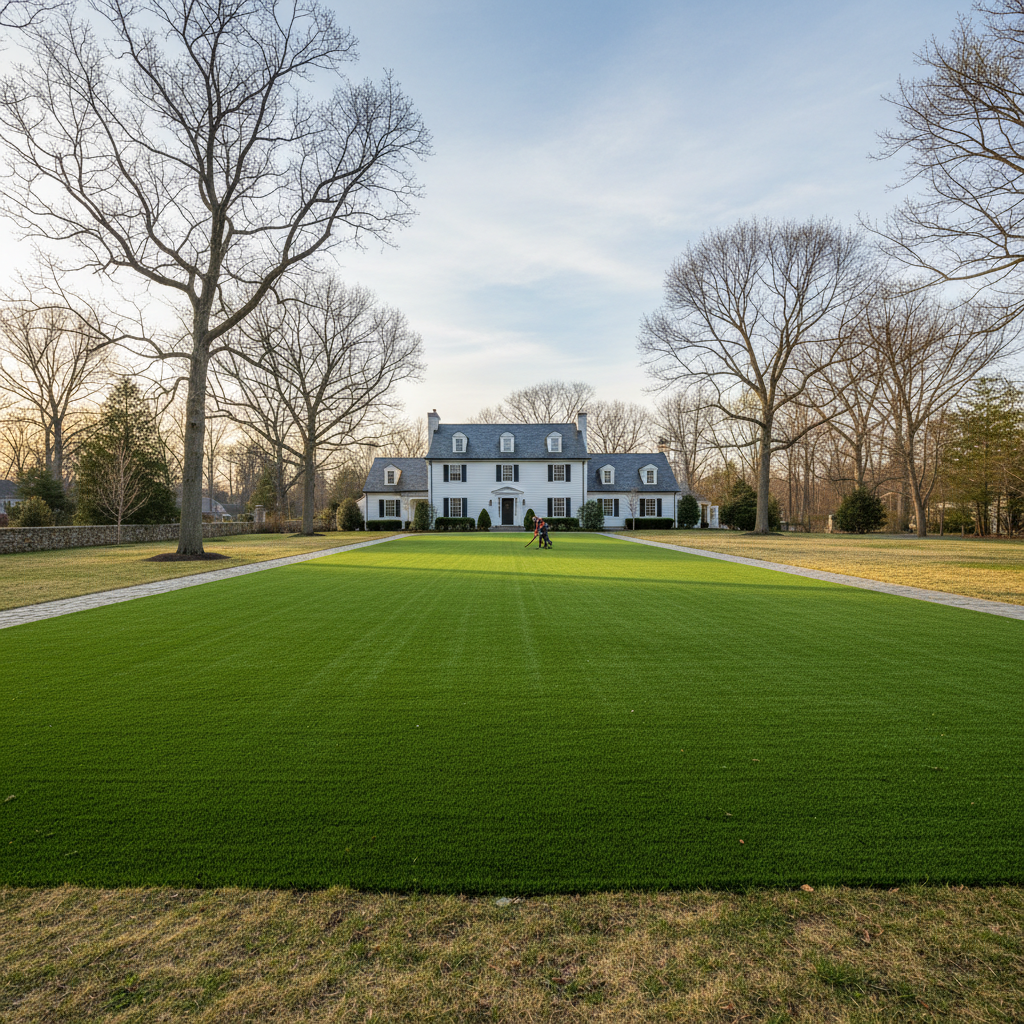
Ensure your drainage system is clear and free of blockages. A well-draining turf system prevents standing water from freezing and potentially causing ice buildup, which can be a hazard. Pags The Turf Guy ensures superior drainage with every artificial grass installation near me, providing peace of mind for homeowners in our Connecticut service area.
6. Consider Professional Inspection and Maintenance
For ultimate peace of mind, especially if you're new to artificial grass or have a larger installation, consider a professional inspection before winter. An expert can identify any potential issues, such as minor repairs or drainage concerns, that could be exacerbated by winter weather.
Pags The Turf Guy offers comprehensive maintenance services to ensure your artificial turf remains in top condition year-round. A professional eye can spot things you might miss, helping to protect your investment. We are your trusted turf installer near me, serving Connecticut, New York City, and New Jersey.
---
Artificial grass is a durable, beautiful, and low-maintenance solution for homeowners in Norwalk, CT, and across our service regions. By following these simple tips, you can ensure your synthetic turf remains pristine and ready to enjoy as soon as spring arrives. It truly is a smart investment for any outdoor space, from playground turf installation to large commercial projects. For a free quote on artificial grass installation near me, call Pags The Turf Guy at 866-913-3899 today!
Frequently Asked Questions
Q: Can artificial grass crack or become brittle in freezing temperatures?
A: No, high-quality artificial grass is engineered to withstand extreme temperatures, including freezing conditions, without cracking or becoming brittle. The materials used are UV-stabilized and flexible, ensuring durability in all seasons.
Q: Will walking on frozen artificial grass damage it?
A: Walking on frozen artificial grass is generally safe and will not cause damage. However, avoid using heavy machinery or sharp objects on frozen turf, as this could potentially scuff or cut the fibers.
Q: How does artificial grass drainage compare to natural grass in winter?
A: Artificial grass typically has superior drainage compared to natural grass, even in winter. Its permeable backing allows melting snow and ice to drain quickly and efficiently, preventing waterlogging and reducing the risk of ice buildup on the surface.