Beat Rising Water Bills & Create a Safe Play Haven with Artificial Grass in CT, NYC & NJ
Homeowners across Connecticut, New York City, and New Jersey are increasingly looking for smart ways to manage their household budgets and conserve resources. With water utility bills on the rise and statewide drought warnings urging conservation, the spotlight is firmly on sustainable and cost-effective solutions for our outdoor spaces. This summer, as temperatures soar, many families are also prioritizing child-friendly yards that are not only safe and compliant with playground regulations, but also drastically cut down on water usage and maintenance costs. Artificial grass installation directly addresses these pressing concerns.
Why is Water Conservation So Critical Right Now?
Water is a precious resource, and its cost is steadily increasing. In many regions, outdoor water use accounts for over 30% of total household water consumption, and in dry areas, this can climb to as high as 60%. A natural lawn typically requires a significant amount of water, with some estimates suggesting up to 55 gallons per square foot annually. This translates to thousands of gallons each year, and substantial costs on your utility bill. For example, a typical 1,000 square foot lawn can consume over 55,000 gallons annually. Switching to artificial grass can reduce a homeowner's water bills and usage by approximately 70% each year.
Artificial grass eliminates the need for daily irrigation, offering a vibrant green lawn year-round without a single drop of water from your tap. This is a game-changer for water conservation efforts, especially in areas under drought warnings like parts of New Jersey. The Southern Nevada Water Authority estimates that every square foot of grass replaced with synthetic turf saves an additional 55 gallons of water per year. An average lawn of 1,800 square feet can save an estimated 99,000 gallons of water annually, potentially reducing a homeowner's water bill by up to $500.
How Can Artificial Grass Create a Safer Play Area?
Beyond water savings, artificial grass is an excellent choice for creating safe, child-friendly play areas that meet stringent safety standards. New Jersey, for instance, has specific playground surfacing regulations. The Consumer Product Safety Commission (CPSC) recommends protective surfacing under and around all playground equipment to reduce injury risk. While loose-fill materials like wood chips or sand are options, they require careful maintenance to ensure proper depth and can become uneven.
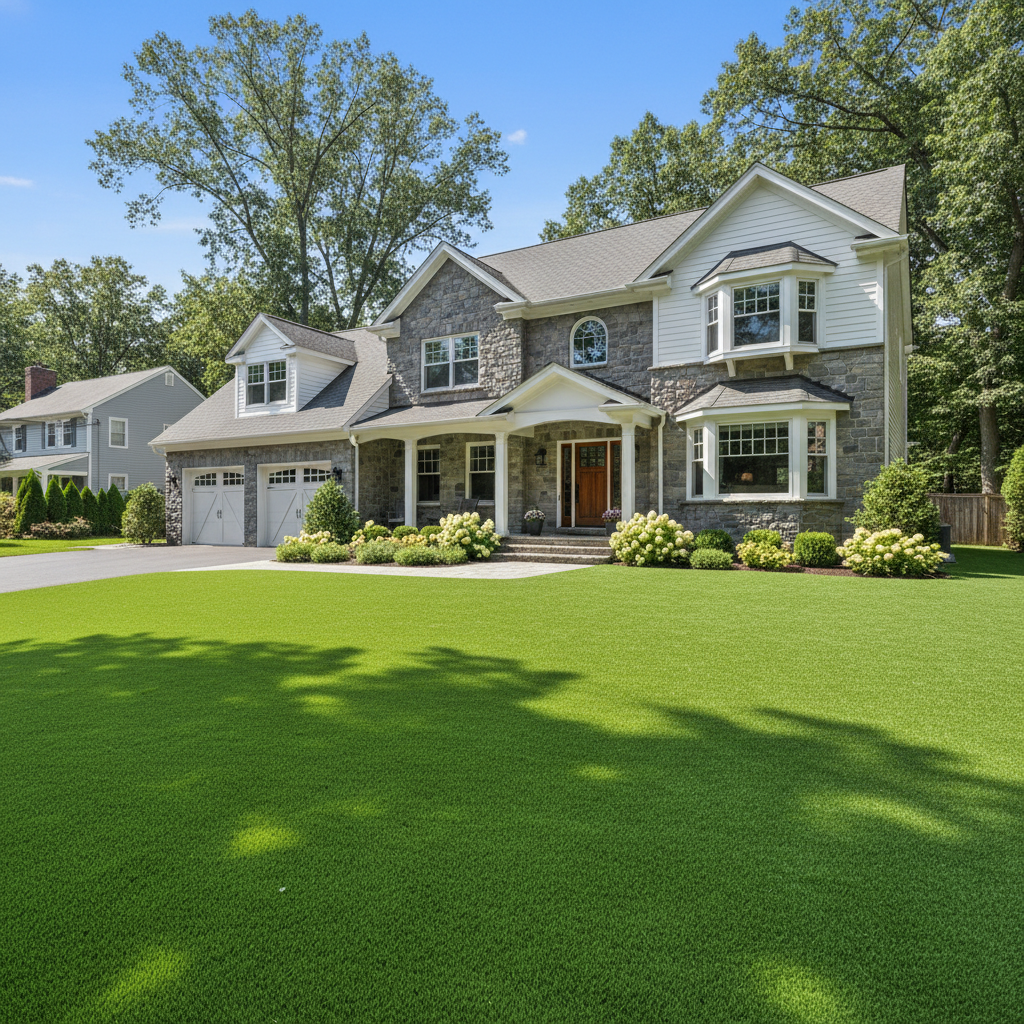
High-quality artificial grass for playgrounds is designed with safety in mind. It provides a consistent, soft, and cushioned surface that absorbs impact, significantly reducing the chances of scrapes or bruises from falls. Unlike concrete or even natural grass, which can harden over time or become uneven, artificial turf offers a reliable and even play surface. Many artificial turf systems can be engineered to specific critical fall height ratings, ensuring compliance with safety guidelines. This makes it an ideal choice for residential [residential lawn installation] and commercial [playground turf installation] play spaces alike.
Furthermore, modern artificial grass is non-toxic, lead-free, and does not require harmful pesticides or fertilizers, creating a chemical-free environment for children and pets. It also doesn't harbor pests like fleas and ticks, further enhancing safety.
What Are the Long-Term Financial Benefits?
While the initial investment for artificial grass installation can be higher than natural sod, the long-term savings are substantial. For a typical 1,000 square foot lawn, artificial turf can pay for itself within 3 to 5 years through eliminated water bills, lawn care costs, and maintenance expenses. Over a 15-year lifespan, homeowners can save an average of $5,000 to $15,000 compared to maintaining a natural lawn.
Consider these savings:
Water Bills: As mentioned, savings of 70% or more on outdoor water usage.
Mowing: Eliminate the need for gas-powered mowers and landscaping services, saving potentially $1,200+ per year. Fertilizers & Pesticides: No need for costly and harmful chemicals, saving $250-$1,000 annually. Time: Reclaim an average of 150 hours per year spent on lawn maintenance.Artificial grass typically lasts 15-25 years, providing a durable and long-lasting solution for your home. This longevity, combined with minimal maintenance, makes it a smart financial decision for homeowners in Connecticut, New York City, and New Jersey. You can explore the potential costs for your project using our [free cost calculator].
Is Artificial Grass Right for Your Home?
For families in CT, NYC, and NJ looking to create a beautiful, safe, and low-maintenance outdoor space, artificial grass is an increasingly popular and practical solution. It offers significant water savings, reduces ongoing maintenance costs, and provides a consistently safe surface for children and pets. Pags The Turf Guy specializes in custom artificial grass installation near me, serving the entire tri-state area with BBB A+ rated service and 90+ five-star Google reviews.
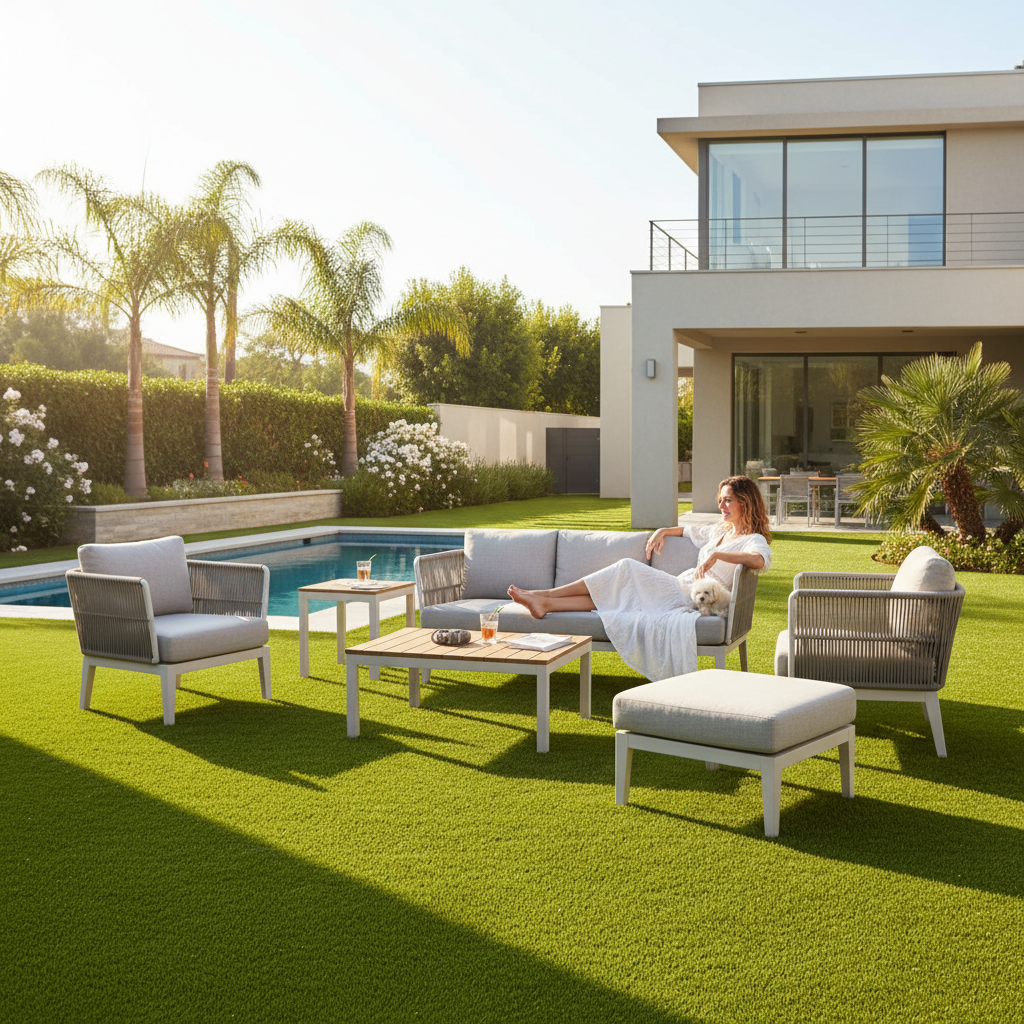
Whether you're interested in a lush residential lawn, a dedicated [pet-friendly turf installation], or a safe [playground turf installation], our team can help you design and install the perfect solution. We're proud to be the trusted turf installer near me for countless satisfied homeowners across Connecticut, New York City, and New Jersey.
Ready to transform your yard into a sustainable, safe, and beautiful oasis? Contact Pags The Turf Guy today for a free quote at 866-913-3899.
***
Frequently Asked Questions About Artificial Grass
Is artificial grass safe for children to play on?
Yes, high-quality artificial grass is very safe for children. It provides a soft, even, and consistent surface that helps cushion falls and reduce injuries, unlike hard natural ground or concrete. Modern turf is also non-toxic and free from harmful chemicals like pesticides and fertilizers.
How much water can I save with artificial grass?
Homeowners can save a significant amount of water by switching to artificial grass, typically reducing outdoor water usage by 70% or more. For an average lawn, this can translate to tens of thousands of gallons saved annually, leading to substantial reductions in water utility bills.
How long does artificial grass last and what is the return on investment?
Artificial grass typically lasts between 15 to 25 years, offering a long-term solution for your yard. While the upfront cost is higher than natural sod, it pays for itself in 3-5 years through savings on water bills, mowing, and other maintenance expenses, resulting in significant long-term financial benefits.