Beat the Drought: Why Artificial Grass is Your Green Solution for Water Conservation
As regions like Westchester County face growing concerns over water resources and potential restrictions, homeowners are actively seeking sustainable ways to maintain beautiful landscapes without a heavy water footprint. Artificial grass installation is a leading solution, offering a drought-resistant, eco-friendly alternative to natural lawns that significantly reduces water consumption and eliminates the need for harmful pesticides and fertilizers.
This isn't just a Westchester issue; communities across Connecticut, New York City, and New Jersey are increasingly aware of the need for responsible water management. Choosing artificial turf means contributing to water conservation efforts while enjoying a vibrant, green lawn all year long, regardless of local water advisories.
Why is Water Conservation Becoming So Important?
Water is a precious resource, and its availability is under increasing strain due to population growth, climate change, and aging infrastructure. According to the U.S. Environmental Protection Agency (EPA), outdoor water use accounts for over 30 percent of residential water consumption nationally, with lawns being a major contributor. In drier climates or during drought conditions, this percentage can be much higher.
Local authorities in areas like Connecticut, New York City, and New Jersey are proactively exploring measures to ensure long-term water security. This can translate into mandatory watering schedules or even outright bans on lawn irrigation. Opting for artificial grass helps you bypass these concerns entirely, ensuring your landscape remains pristine without relying on a strained water supply.
How Much Water Can Artificial Grass Really Save?
The water savings from switching to artificial grass are substantial. A typical natural lawn requires about 55 gallons of water per square foot per year to stay green, especially in our Northeast climate during dry spells. For an average 1,000 square foot lawn, that's 55,000 gallons annually just for irrigation.
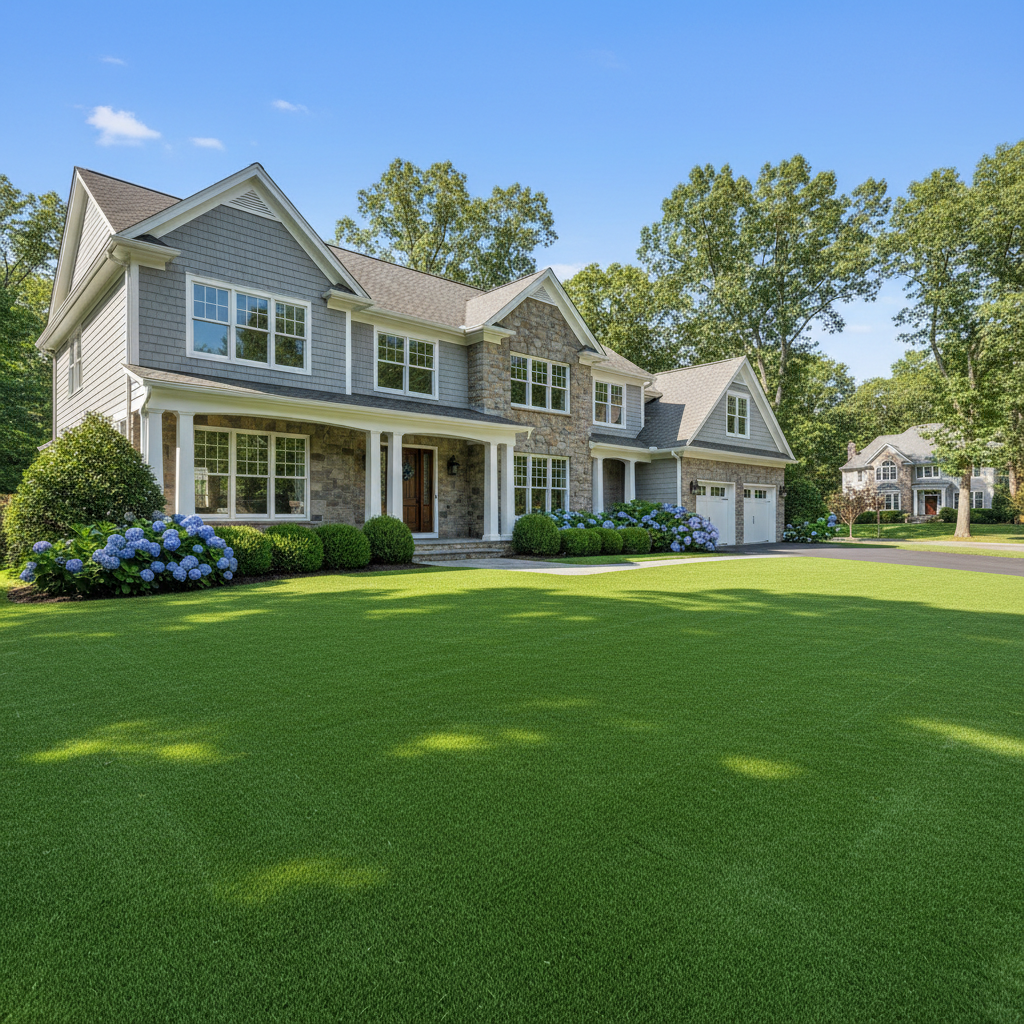
With artificial grass, this figure drops to virtually zero for irrigation. The Synthetic Turf Council estimates that homeowners can save up to 70,000 gallons of water per year by replacing a natural lawn with artificial turf. This not only benefits the environment but also translates into significant savings on your utility bills. You can explore the potential savings for your property with our free cost calculator.
Beyond Water: The Full Eco-Friendly Impact
Water conservation is just one piece of the puzzle. Artificial grass offers a host of other environmental benefits that resonate with eco-conscious homeowners:
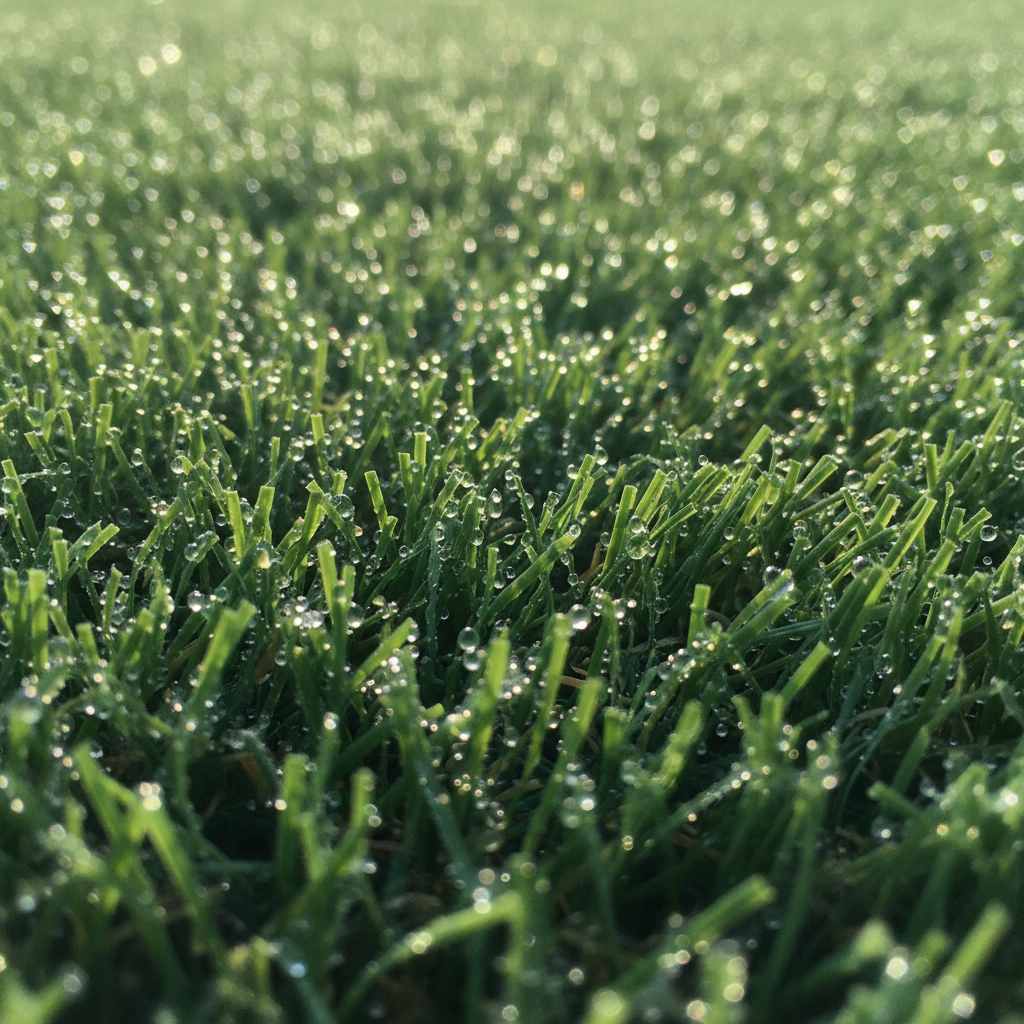
* Less Waste: Artificial grass significantly reduces green waste that ends up in landfills. No grass clippings mean less organic material to dispose of, further lessening your environmental impact.
For homeowners interested in a truly sustainable outdoor space, Pags The Turf Guy specializes in residential lawn installation that prioritizes both beauty and environmental responsibility. We also offer pet-friendly turf installation for those with furry friends.
Is Artificial Grass Right for Your Home in CT, NYC, or NJ?
If you're a homeowner in Connecticut, New York City, or New Jersey looking for a beautiful, low-maintenance, and eco-friendly lawn solution, artificial grass is an excellent choice. It provides a consistently green and lush appearance without the constant upkeep and resource consumption of natural grass.
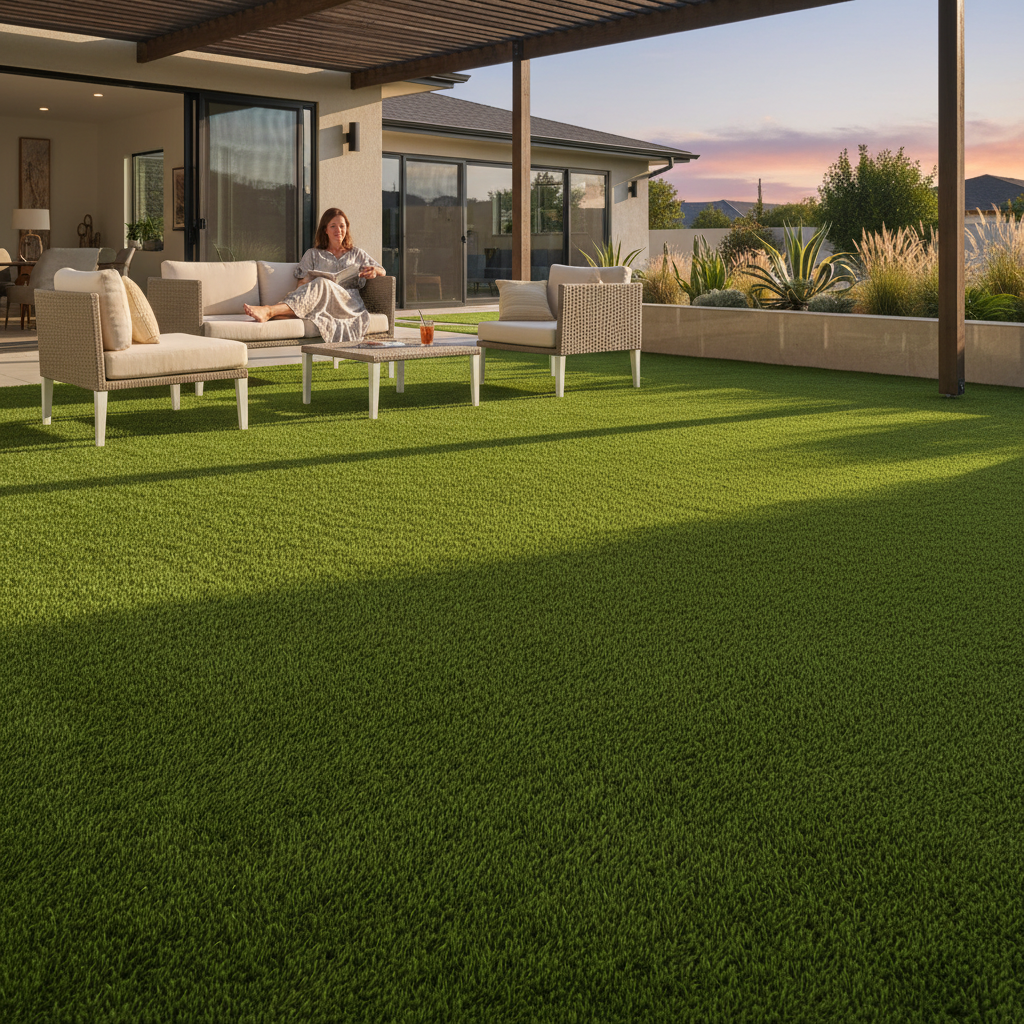
Whether you're in a suburban setting in New Jersey, a rooftop in New York City, or a spacious backyard in Connecticut, artificial grass offers versatility and durability. It's a smart investment that pays dividends in water savings, reduced maintenance, and a perpetually perfect lawn. If you're searching for