Is Artificial Grass a Smart Investment for Boosting Home Value in NYC, CT, and NJ?
Yes, absolutely. With New York City's real estate market, along with neighboring Connecticut and New Jersey, seeing increased demand for sustainable and low-maintenance homes, water-saving artificial lawns can significantly boost property value and reduce utility bills, making your home more attractive to eco-conscious buyers.
Homeowners are increasingly prioritizing efficiency and environmental responsibility. Artificial grass directly addresses this trend by providing a durable, water-efficient, and aesthetically pleasing landscaping solution that appeals to both current homeowners and potential buyers in our competitive tri-state market.
Why is Sustainable Landscaping a Hot Trend in Real Estate?
The real estate landscape is shifting, and buyers are looking beyond just square footage. They're seeking homes that offer long-term savings, minimal upkeep, and a smaller environmental footprint.
Properties with sustainable features, like drought-tolerant landscaping or energy-efficient appliances, often command higher prices and sell faster. Artificial grass fits perfectly into this narrative, offering a perpetually green lawn without the constant resource drain of natural grass.
How Does Artificial Grass Increase Property Value?
Investing in artificial grass installation enhances your home's curb appeal instantly and permanently. A lush, green lawn year-round signals quality and care to potential buyers, making a strong first impression.
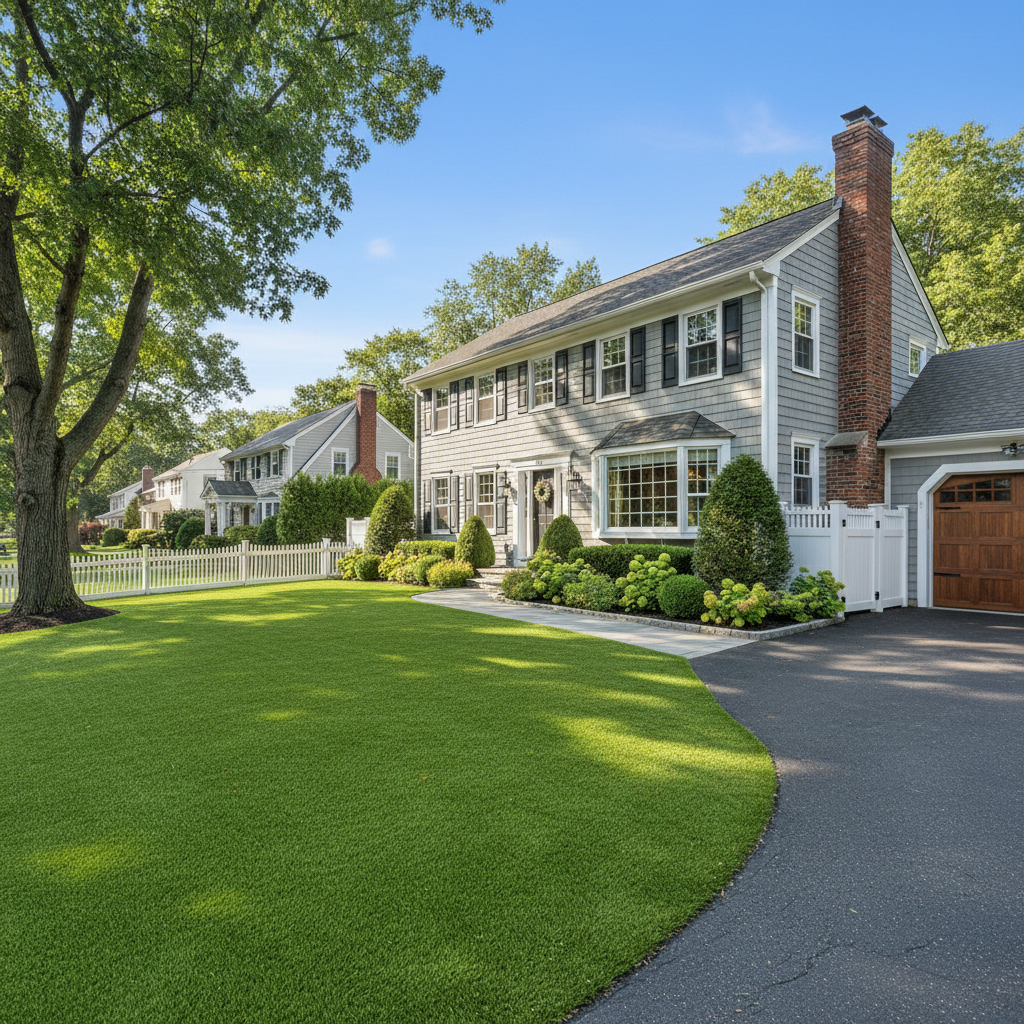
Beyond aesthetics, the practical benefits translate directly into financial value. Buyers are willing to pay more for homes that promise lower ongoing expenses and less weekend work.
Reduced Maintenance Costs
Think about the typical costs associated with natural grass: regular mowing, fertilizing, weeding, and pest control. These expenses add up significantly over time.
Artificial grass eliminates these tasks, saving homeowners hundreds, if not thousands, of dollars annually. This financial relief is a major selling point for any property.
Significant Water Savings
Water conservation is a growing concern, especially in densely populated areas like New York City and parts of New Jersey and Connecticut. Traditional lawns require substantial watering, particularly during dry spells.
According to the Synthetic Turf Council, homeowners can save an average of 55,000 gallons of water per year by switching to artificial turf. This translates into substantial savings on water bills, a compelling benefit for any homeowner or buyer.
Durability and Longevity
High-quality artificial turf is designed to withstand heavy foot traffic, diverse weather conditions, and UV exposure for 15-20 years or more. This long lifespan means the investment pays off over many years.
Unlike natural grass, it won't develop bare spots, muddy patches, or pest infestations. This consistent beauty and resilience contribute to a home's lasting appeal and value.
What About Utility Bill Savings?
Beyond water savings, artificial grass can indirectly impact other utility costs. A well-maintained, attractive outdoor space can reduce the need for extensive landscaping services, which often include fuel for mowers and other equipment.
For homeowners in our service areas of Connecticut, New York City, and New Jersey, these savings are not just theoretical; they are tangible benefits that improve monthly budgets. You can even use our free cost calculator to estimate your potential savings.
Is Artificial Grass Right for Your Home?
If you're considering selling your home soon, or simply want to enjoy a beautiful, low-maintenance yard, artificial grass is an excellent option. It's particularly beneficial for busy families, pet owners looking for a pet-friendly turf installation, or anyone desiring a pristine lawn without the upkeep.

At Pags The Turf Guy, we specialize in high-quality residential lawn installation that transforms outdoor spaces. We've seen firsthand how a synthetic turf installation can elevate a property's appeal and functionality.
The Pags The Turf Guy Difference
When you're looking for