Top 8 Artificial Grass Myths Brooklyn Homeowners Should Stop Believing
Considering artificial grass for your Brooklyn home, but worried about what you've heard? Many homeowners in New York City, Connecticut, and New Jersey have questions about synthetic turf, and unfortunately, there's a lot of misinformation out there. Let's set the record straight and debunk the most common artificial grass myths.
Artificial grass has evolved dramatically, offering a beautiful, low-maintenance solution for modern living. Pags The Turf Guy is here to provide the facts, helping you make an informed decision for your outdoor space.
1. Myth: Artificial Grass Looks Fake and Unnatural
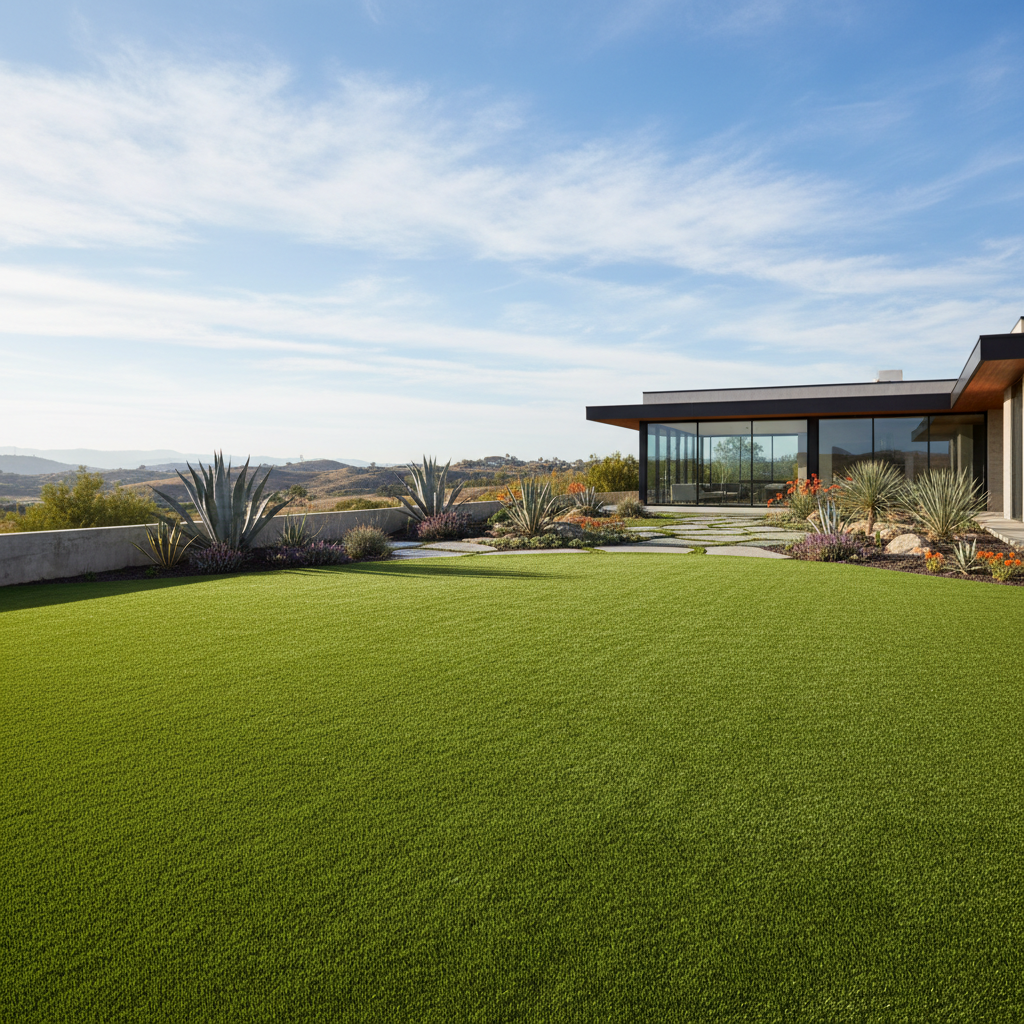
This is perhaps the most common myth, stemming from early generations of artificial turf. Modern artificial grass is designed to mimic the look and feel of natural grass with incredible accuracy. Advanced manufacturing techniques create blades with varying lengths, colors, and textures, including brown thatch layers, to replicate the natural growth patterns of real grass.
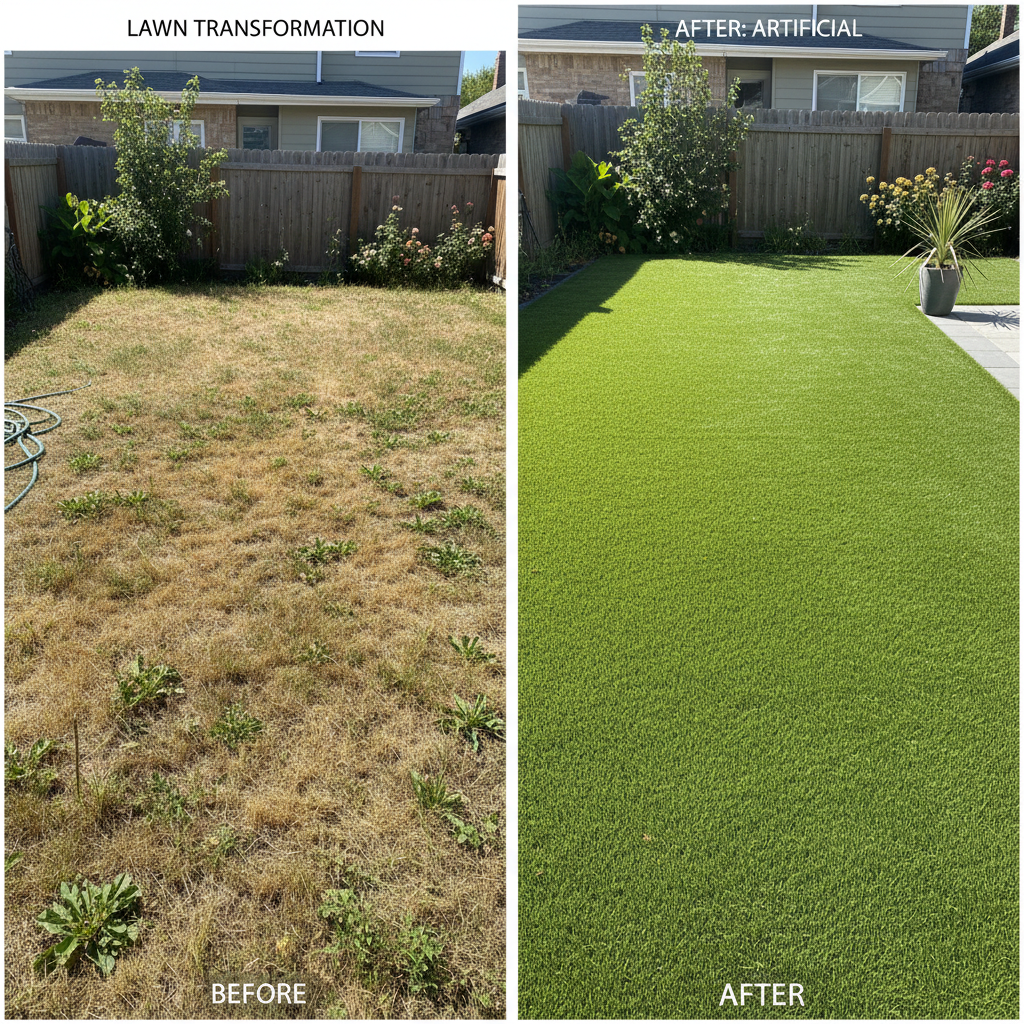
When installed by professionals, like our team at Pags The Turf Guy, the result is a lush, vibrant lawn that often looks better than natural grass, year-round. You can see examples in our project gallery of how realistic these installations appear in various settings.
2. Myth: It's Bad for the Environment
Many people believe artificial grass is inherently bad for the environment, but the reality is more nuanced. While manufacturing does have an impact, the long-term environmental benefits often outweigh the initial concerns. Artificial grass eliminates the need for watering, mowing, fertilizing, and pesticides, all of which have significant environmental footprints.

Consider the average lawn in the U.S. uses 9,000 gallons of water per year, according to the EPA. Switching to artificial grass saves an immense amount of water, especially crucial in densely populated areas like Brooklyn. Furthermore, it reduces carbon emissions from lawnmowers and prevents harmful chemicals from leaching into the soil and waterways.
3. Myth: Artificial Grass Gets Too Hot
While it's true that artificial grass can get warmer than natural grass in direct sunlight, the claim that it's