As Westport families prepare for the first winter freeze, traditional wood-chip and mud-prone playgrounds are quickly turning into hazardous liability zones. According to the Consumer Product Safety Commission, falls account for over 75 percent of all playground injuries, and standard surfaces like wood mulch or loose gravel freeze solid in sub-freezing temperatures, losing their critical impact attenuation. When winter weather hits Connecticut, New York City, and New Jersey, homeowners are left dealing with muddy shoes, frozen puddles, and unsafe play spaces that put children at risk.
Why Do Traditional Playgrounds Become Hazardous in Winter?
When temperatures drop below freezing, organic materials like wood chips absorb moisture, expand, and turn into a concrete-like barrier. This loss of cushioning means that any slip or fall from climbing equipment meets an unyielding, rock-hard surface instead of shock-absorbing padding. Furthermore, melting snow and autumn rain create persistent mud pits that make backyard swing sets unusable for months. Homeowners searching for artificial grass installation near me often discover that traditional landscaping simply cannot keep up with demanding seasonal climate shifts.
How Does Playground Turf Installation Protect Children?
Modern synthetic play areas solve winter safety issues by combining high-density turf fibers with engineered shock-absorbing underlayment pads. These specialized foam pads are tested to meet rigorous ASTM F1292 fall-height safety standards, ensuring consistent impact absorption even when temperatures plummet below freezing. Unlike wood mulch that scatters across the yard or decomposes into muck, professional playground turf installation locks everything securely in place. You can explore options like playground turf installation to see how specialized padding protects children through every season.
Can Synthetic Turf Handle Snow and Ice?
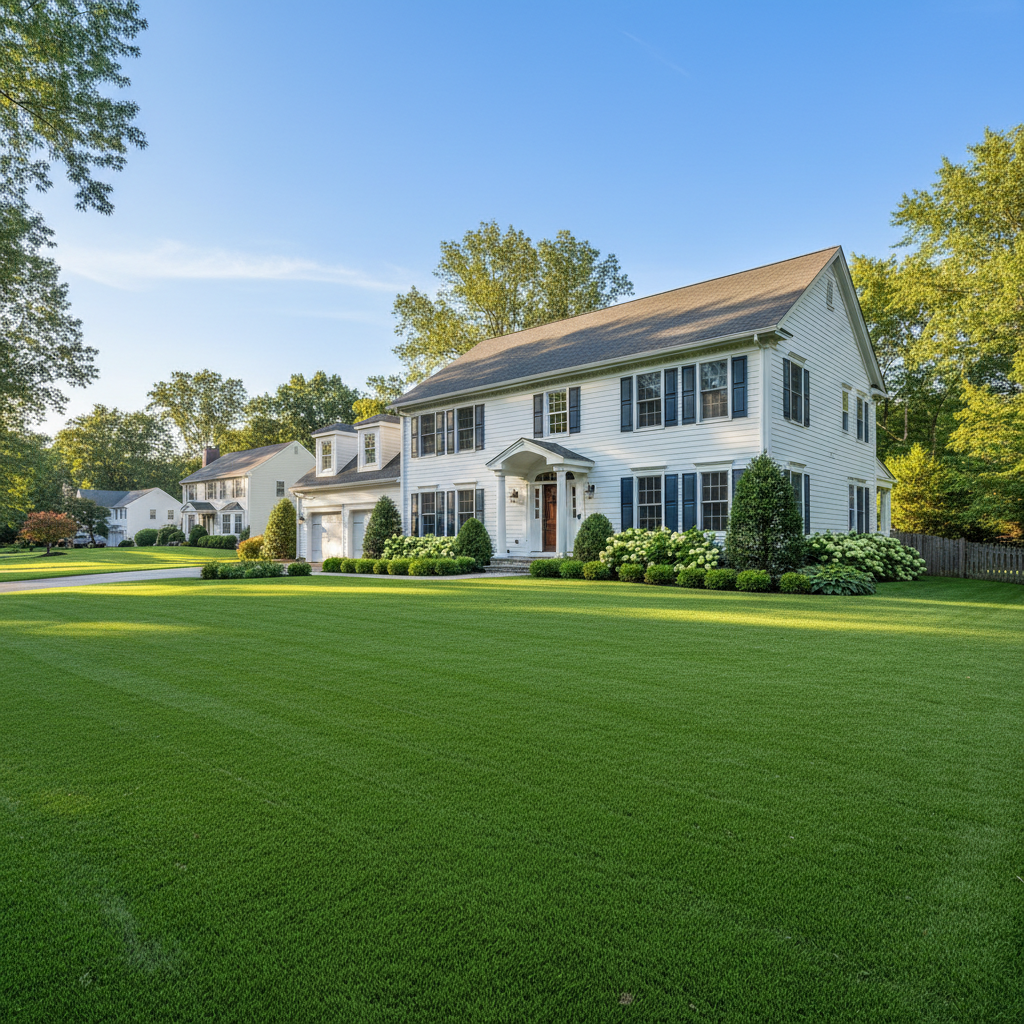
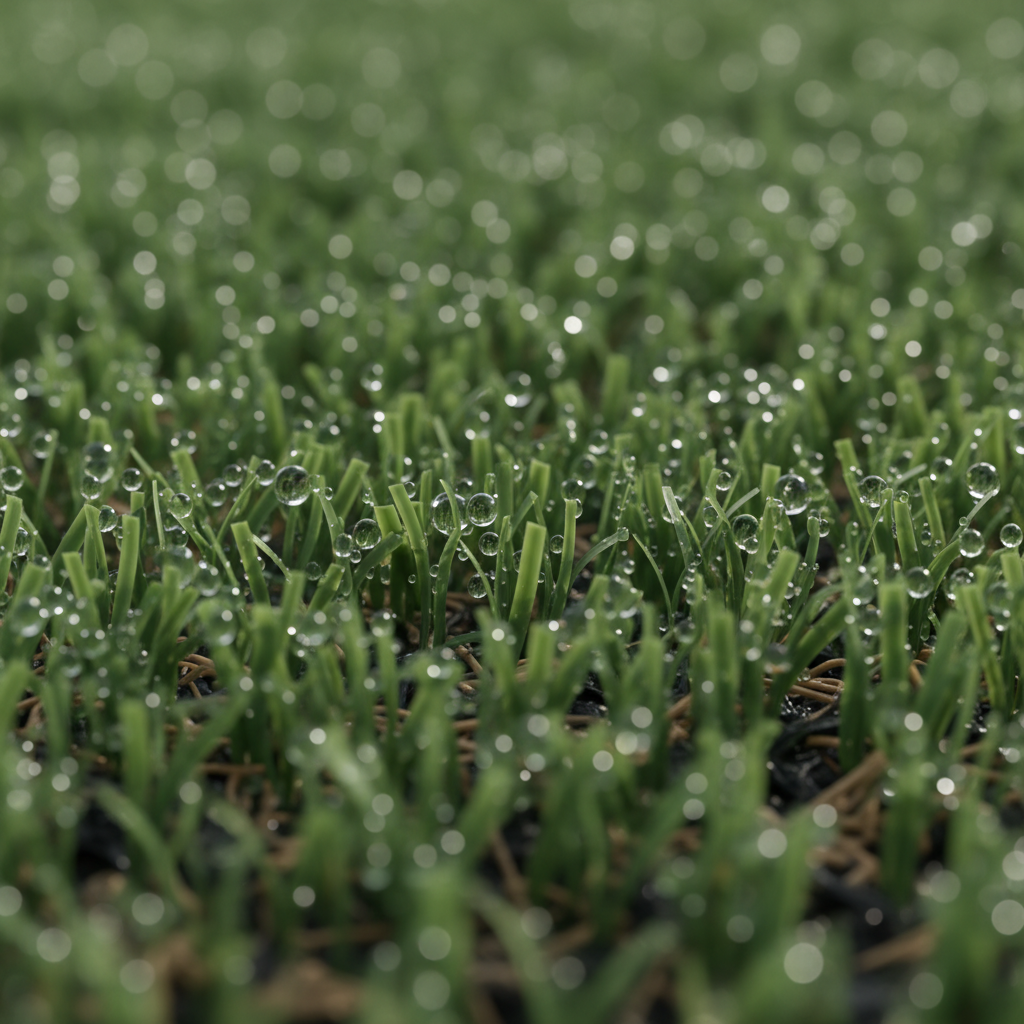
One of the biggest concerns for parents in our service area is how artificial turf handles heavy snow accumulation and ice. Premium turf systems feature advanced permeable backing layers that allow melted snow and winter rain to drain rapidly away from the surface. This superior drainage prevents standing water from refreezing into slippery sheets of ice around play structures. Whether you live in our Connecticut service area, the New York City service area, or the New Jersey service area, winter precipitation drains seamlessly so yards dry out faster once temperatures rise.
What Are the Long-Term Benefits for Homeowners?
Upgrading to artificial turf eliminates weekly chores like raking, weeding, adding fresh mulch, and scrubbing muddy paw prints or footprints off indoor floors. Pags The Turf Guy designs custom outdoor play spaces that stay vibrant, clean, and safe 365 days a year without requiring fertilizers or constant top-ups. To get an idea of what an upgrade might entail, you can try our free cost calculator or view our project gallery for inspiration. Investing in professional synthetic turf means your family enjoys a mud-free, resilient backyard from the first spring thaw right through the dead of winter.

Conclusion: Secure Your Yard Before the Freeze
Winter weather does not mean your children have to stay cooped up indoors away from the backyard. By replacing failing wood chips with certified shock-absorbing turf, you eliminate seasonal liability hazards and create a pristine play area that protects kids year-round. For expert guidance on upgrading your outdoor space, contact Pags The Turf Guy for a free quote at 866-913-3899.
Frequently Asked Questions
Does frozen weather damage artificial playground turf?
No, high-quality synthetic turf and its underlying shock pads are engineered to withstand extreme freeze-thaw cycles without cracking, degrading, or losing their protective impact-absorption qualities.
How does playground turf drain during heavy snow or rain?
Playground turf systems feature a highly permeable backing combined with a crushed stone sub-base, allowing water and melting snow to drain through at rates exceeding thirty inches per hour.
Is artificial turf safe for children's playground falls in winter?
Yes, unlike wood chips or natural soil that freeze solid and lose cushioning, engineered foam underlayment pads maintain their certified fall-height protection regardless of outdoor temperatures.